If you’ve been following the conversation around blood sugar balance, cravings, and weight management, you’ve probably heard of GLP-1 (Glucagon-Like Peptide-1). It’s a hormone at the centre of today’s most popular weight-loss medications, but did you know that you can support GLP-1 naturally through foods, herbs, and lifestyle choices?
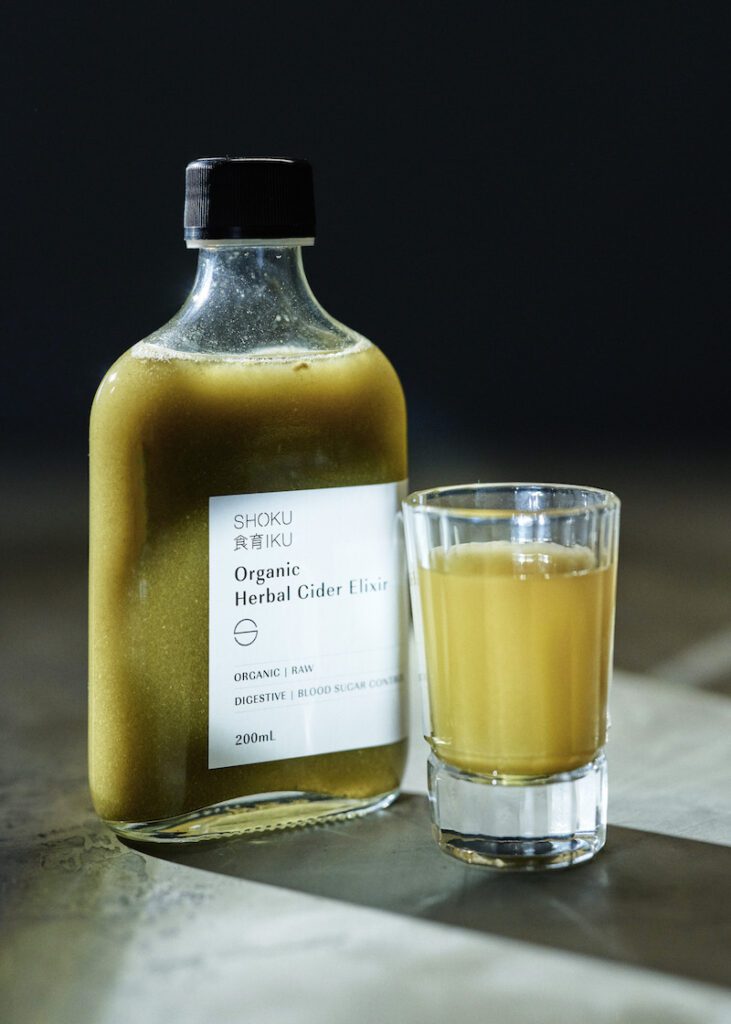
This article explores what GLP-1 is, how our Herbal Cider Elixir ingredients (apple cider vinegar, mulberry leaf, moringa, ashitaba, ginger) support it, and the best diet and lifestyle strategies for healthy metabolism.
What is GLP-1 and Why Is It Important?
GLP-1 (Glucagon-Like Peptide-1) is a hormone released by the gut after you eat. Its benefits include:
- Slowing gastric emptying – so food stays in your stomach longer, keeping you full.
- Enhancing insulin secretion – while lowering glucagon, helping to balance blood sugar.
- Reducing appetite – by signaling satiety to your brain.
This makes GLP-1 one of the body’s most powerful tools for blood sugar control, appetite regulation, and weight management. While pharmaceuticals mimic GLP-1, research shows that dietary choices and natural herbs can also enhance GLP-1 release.
Herbal Allies: Inside Our Herbal Cider Elixir
We formulated our Herbal Cider Elixir to naturally support digestion, metabolism, and potentially GLP-1:
Apple Cider Vinegar (ACV)
- Slows down how quickly food leaves the stomach.
- Improves insulin sensitivity and may stimulate GLP-1 release.
- Helps stabilize energy and reduce sugar cravings.
- Inhibits carbohydrate absorption in the upper intestine, shifting nutrient delivery to the lower gut where GLP-1 is released.
- Research suggests mulberry compounds may even protect GLP-1 from breaking down too quickly.
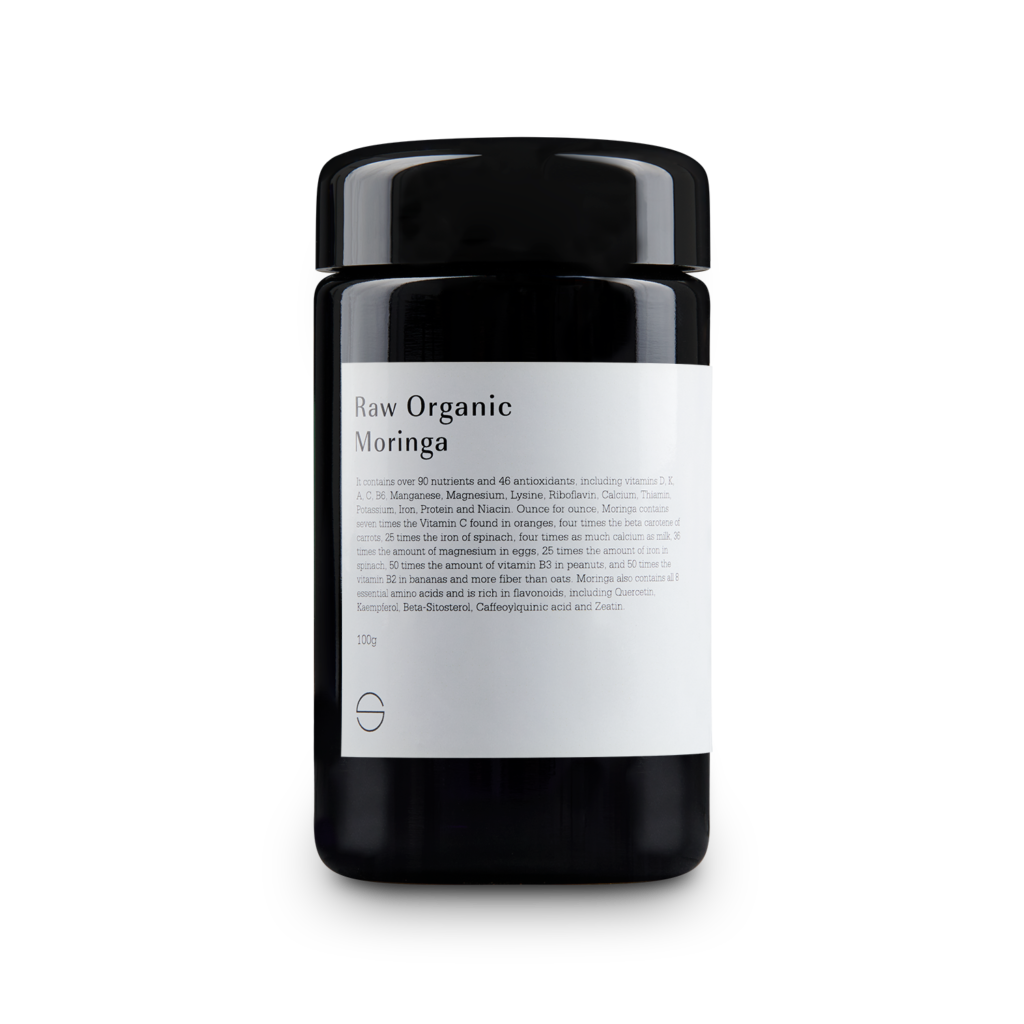
- Animal studies show moringa may increase GLP-1 secretion and improve glucose tolerance.
- Packed with antioxidants that support blood sugar balance and reduce inflammation.
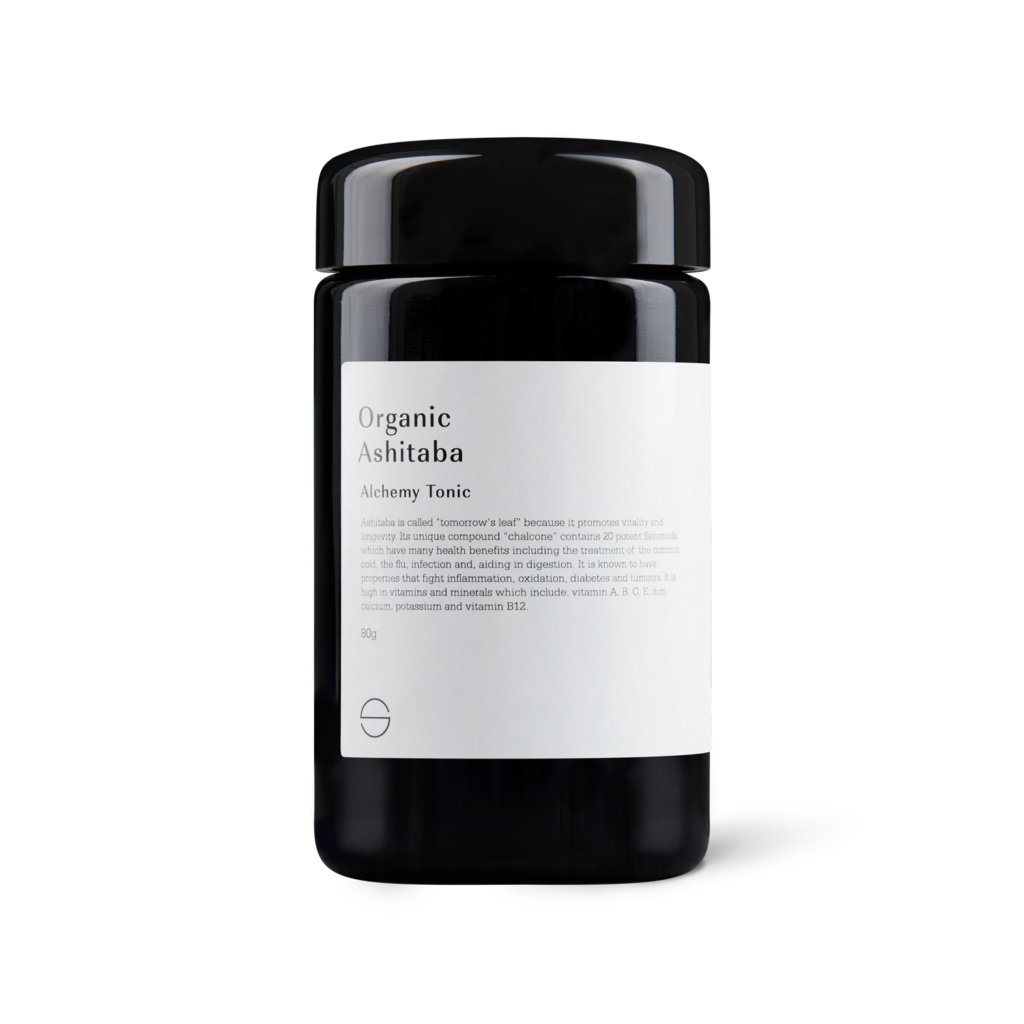
- Contains chalcones that activate AMPK, the body’s “metabolic switch” that boosts fat burning and improves insulin sensitivity.
- While not directly linked to GLP-1, it supports overall metabolic health.
Ginger
- Enhances insulin sensitivity and digestion.
- May help regulate appetite and support gut health, working synergistically with other herbs.
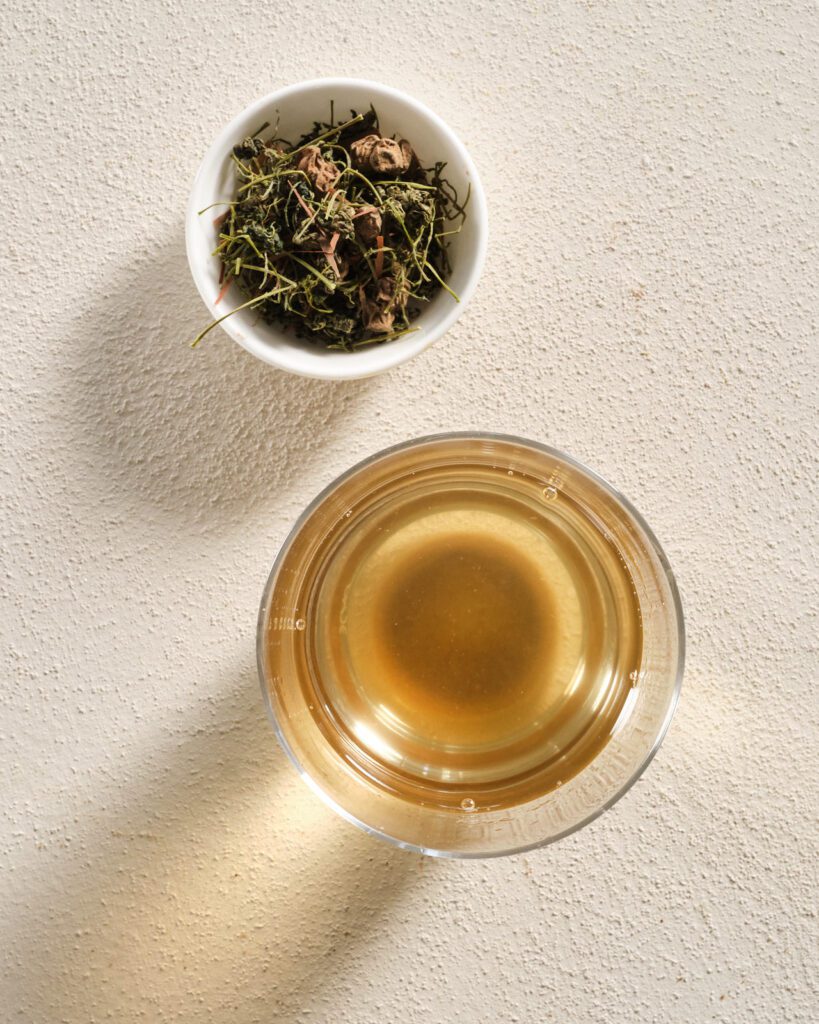
✨ Bonus: Gynostemma tea has early research suggesting it can boost GLP-1 levels and support energy balance on its own. It is also the key ingredient in our Fasting Tea.
Foods and Lifestyle Habits That Boost GLP-1 Naturally
Alongside herbs, everyday choices play a powerful role in GLP-1 regulation.
Pickle Juice & Apple Cider Vinegar
- Vinegar-based foods stimulate the gut-brain axis and slow gastric emptying.
- Improves insulin sensitivity and may directly increase GLP-1 release.
- Try: 1 tablespoon of pickle juice or ACV before your main meal.
Choose natural pickle brands without preservatives for the best benefits. Your apple cider vinegar should have mother in it.
High-Fibre Foods
- Soluble fibres (grain, legumes, flax, chia, fruits, vegetables) ferment in the gut, stimulating GLP-1 release.
- Supports gut microbiome health, satiety, and toxin removal.
Protein-Rich Meals
- Protein stimulates both GLP-1 and PYY, another satiety hormone.
- Plant-based proteins like lentils, quinoa, hemp seeds, and tempeh are excellent options.
Stay Hydrated
- Hydration is essential for hormone signaling and digestion.
- Water supports gut motility, helping maintain steady GLP-1 release.
Movement & Exercise
- Exercise, both strength training and cardio, enhances GLP-1 secretion.
- Even a 20-minute walk after meals can stabilize blood sugar and support satiety.
Sleep & Stress Balance
- Poor sleep reduces GLP-1 and raises ghrelin (the hunger hormone).
- Managing stress through breathwork, meditation, or yoga helps regulate appetite hormones.
We recognise that medications have place for some people and some circumstance but supporting our body and mind naturally is always our first choice.
it’s about how you eat, move, and live. With the right combination of functional foods, clean hydration, balanced protein, quality sleep, and stress management, you can support GLP-1 naturally.