

Why Eastern Medicine Treats Skin as a Reflection of Internal Health
We often think of skin issues as separate from the

The quest for luscious, vibrant hair is a journey many embark on. Most of us go through phases of stress, major life events (pregnancy, menopause, natural ageing, etc.) that can impact our hair growth and hair health.
While the allure of expensive treatments and quick fixes is strong, the most profound and lasting results often come from a holistic approach that addresses our internal well-being. Our hair, much like our skin and nails, is a visible indicator of our overall health. Expensive potions might offer a temporary solution, but true hair vitality is cultivated from within, nurtured by what we eat, how we manage stress, and how we care for our bodies at a fundamental level.
For centuries, across diverse cultures, herbs and natural remedies have been revered for their power to promote health. From the ancient wisdom of Ayurveda to Traditional Chinese Medicine, plants have offered a natural pathway to rejuvenation. Incorporating these herbs into our daily lives, alongside mindful lifestyle choices, can unlock the full potential of our hair.
The Science of Inner Beauty: What Your Hair Needs
Nutrient deficiencies and hormonal imbalances are significant roadblocks to achieving your hair goals.
Your hair health is intricately linked to your hormonal balance. Chronic stress significantly impacts this delicate equilibrium. Elevated levels of cortisol and adrenaline disrupt the four stages of the hair growth cycle, prolonging shedding. Stress can suppress estrogen and elevate dihydrotestosterone (DHT), a key hormone implicated in hair thinning and loss. By actively managing stress through practices like mindfulness, yoga, or regular exercise, you can help restore hormonal harmony and support a healthier hair growth cycle.
The gut is often called the “second brain,” and its health profoundly influences overall well-being, including hair growth. A dysregulated gut microbiome can contribute to hormonal imbalances and chronic stress. The gut microbiome plays a crucial role in producing nutrients essential for hair growth and regulating hormones that govern the hair growth cycle. A balanced microbiome creates an optimal internal environment, minimising factors that can lead to hair loss and thinning. Incorporating probiotic-rich foods and embracing a diet that supports gut health are foundational steps.
Research continues to validate the efficacy of certain herbs and compounds in promoting hair growth and reducing loss. By incorporating these into your diet, you can provide your body with the building blocks and activators needed for stronger, healthier hair.
He Shou Wu : Revered in Traditional Chinese Medicine (TCM) as a “holy grail” for hair, He Shou Wu is scientifically studied for its ability to increase melanin production, potentially reversing premature greying. It also stimulates hair follicles and has been shown to accelerate the transition from the dormant (telogen) to the growth (anagen) phase, possibly by influencing the FGF20-7 gene.
Research Insight: Studies such as those published in the Journal of Ethnopharmacology have explored its antioxidant and hair-growth-promoting properties, linking these effects to mechanisms involving the Wnt/β-catenin signalling pathway, which is crucial for hair follicle cycling.
Amla (Indian Gooseberry): A cornerstone of Ayurvedic medicine, Amla is rich in Vitamin C and contains potent antioxidants such as tannins. It helps strengthen hair follicles, prevent breakage, and promote scalp health by combating free radical damage. Its astringent properties can also help cleanse the scalp and prevent dandruff.
Research Insight: Research, including studies in Phytotherapy Research, has indicated that Amla extracts can inhibit 5α-reductase, an enzyme involved in DHT production, and possess anti-inflammatory properties beneficial for the scalp.
Nettle Leaf: Known for its high levels of vitamins (A, C, and K) and minerals (including iron, magnesium, and potassium), nettle is traditionally used to support hair growth and combat hair thinning. Its properties may help improve scalp circulation and counteract DHT, similar to pumpkin seed oil.
Research Insight: Studies, often published in journals focused on natural products or dermatology, suggest that nettle extract may inhibit 5α-reductase activity and possess anti-androgenic effects, contributing to its hair-growth benefits.
MSM (Methylsulfonylmethane): A naturally occurring sulfur compound, MSM is vital for the formation of collagen and keratin, the key proteins in hair. Sulfur also plays a role in cellular detoxification and may help reduce inflammation, creating a healthier environment for hair follicles. Its contribution to collagen synthesis can lead to stronger, less brittle hair.
Research Insight: While direct studies on MSM for hair growth are still emerging, its role in keratin and collagen synthesis is well-established in broader dermatological research. Studies have shown improvements in hair strength and growth when sulfur-rich compounds are supplemented.
Adaptogens (e.g., Ashwagandha, Rhodiola, Gynostemma): These herbs help the body adapt to stress and support hormonal balance. By reducing the negative impact of stress hormones like cortisol on the hair growth cycle, adaptogens indirectly promote a healthier environment for hair to grow and thrive.
Research Insight: Adaptogens’ benefits for hair are largely indirect, stemming from their stress-reducing and hormone-balancing effects, which are crucial for preventing stress-induced hair loss. Studies on adaptogens often focus on their cortisol-regulating properties, which have a downstream positive effect on hair health.
Minerals are the unsung heroes of hair health.
B-complex vitamins are vital for converting nutrients into energy and for maintaining strong, healthy hair. Biotin, a water-soluble B-vitamin, is particularly important as it optimises the body’s use of keratin. Dietary sources include almonds, peanuts, whole grains, and bananas. Vitamin B12 supports red blood cell production, ensuring adequate oxygen supply to the scalp.
Vitamin D plays a role in stimulating new and old hair follicles. Research suggests that a Vitamin D deficiency can lead to hair loss, while supplementation may improve hair growth. Spending time in the sun (safely) and consuming Vitamin D-rich foods or supplements can be beneficial.
Antioxidant-rich foods protect your hair and scalp from damage.
Hair is primarily made of keratin, a protein that requires adequate amino acids for production.
These healthy fats nourish the scalp and reduce inflammation that could impede follicle function. Fatty fish (salmon, mackerel), flaxseeds, hemp seeds and walnuts are good sources.
Adequate hydration ensures your scalp remains moisturised, minimising brittleness and breakage.
Embracing these nutritional principles doesn’t have to be complicated. We’ve curated a simple, delicious recipe that brings together some of nature’s most potent hair-supporting ingredients:
Hair Growth Bliss Balls
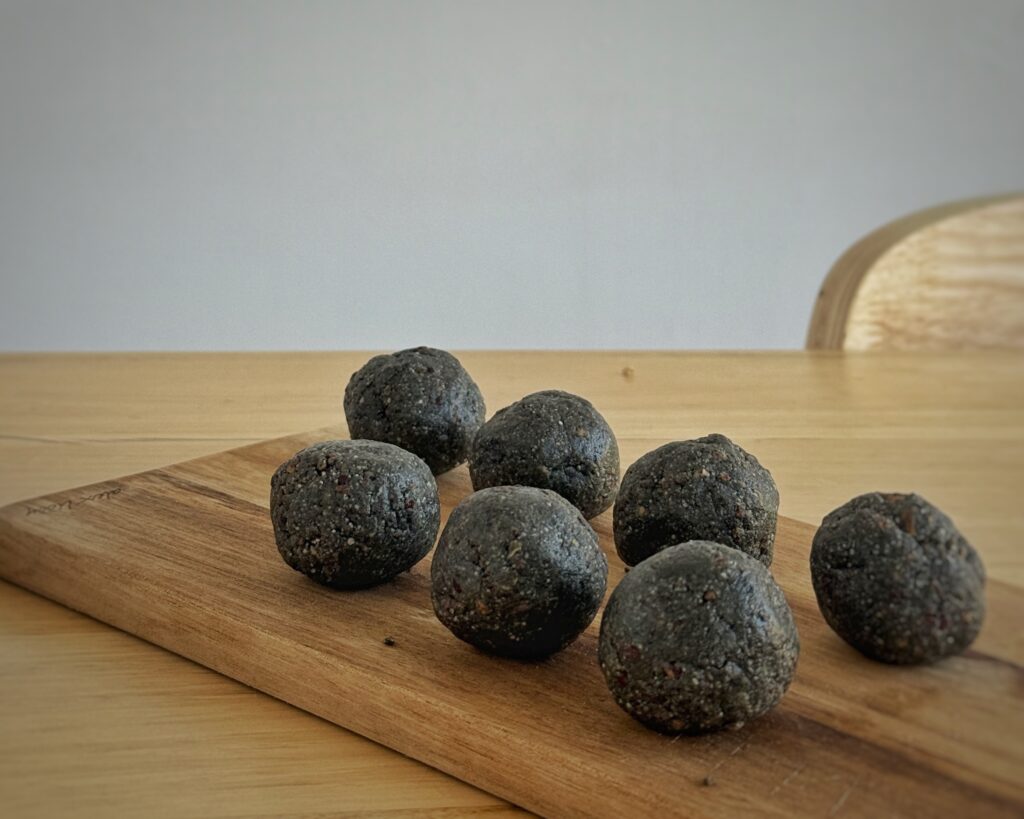
These bliss balls are delicious and actively support your hair health journey.
Ingredients:
Instructions:
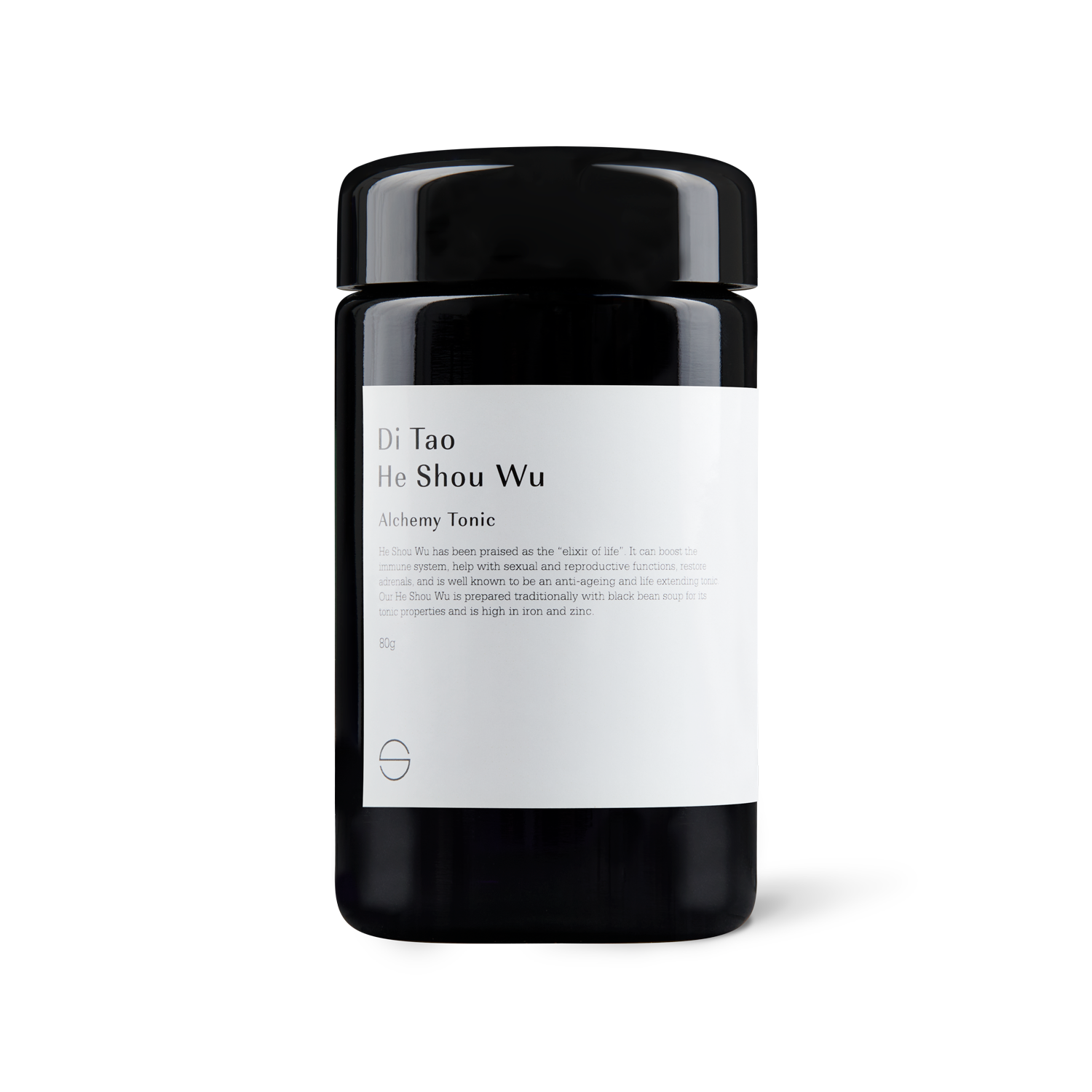
Stimulates Hair Follicles: Scientifically shown to promote hair growth by waking up dormant follicles.
Increases Melanin Production: Helps restore natural hair colour and reverse greying.
Accelerates Hair Growth Cycle: Can help transition follicles from the dormant (telogen) to the growth (anagen) phase, potentially by influencing genes like FGF20-7.
Strengthens Hair: Contributes to overall hair resilience and thickness.
Nourishes the Liver and Kidneys: In Traditional Chinese Medicine, these organs are linked to hair health.
We often think of skin issues as separate from the

One of my favourite dishes growing up in Japan was

If you’ve ever felt “burnt out”, dry skin, restless nights,