
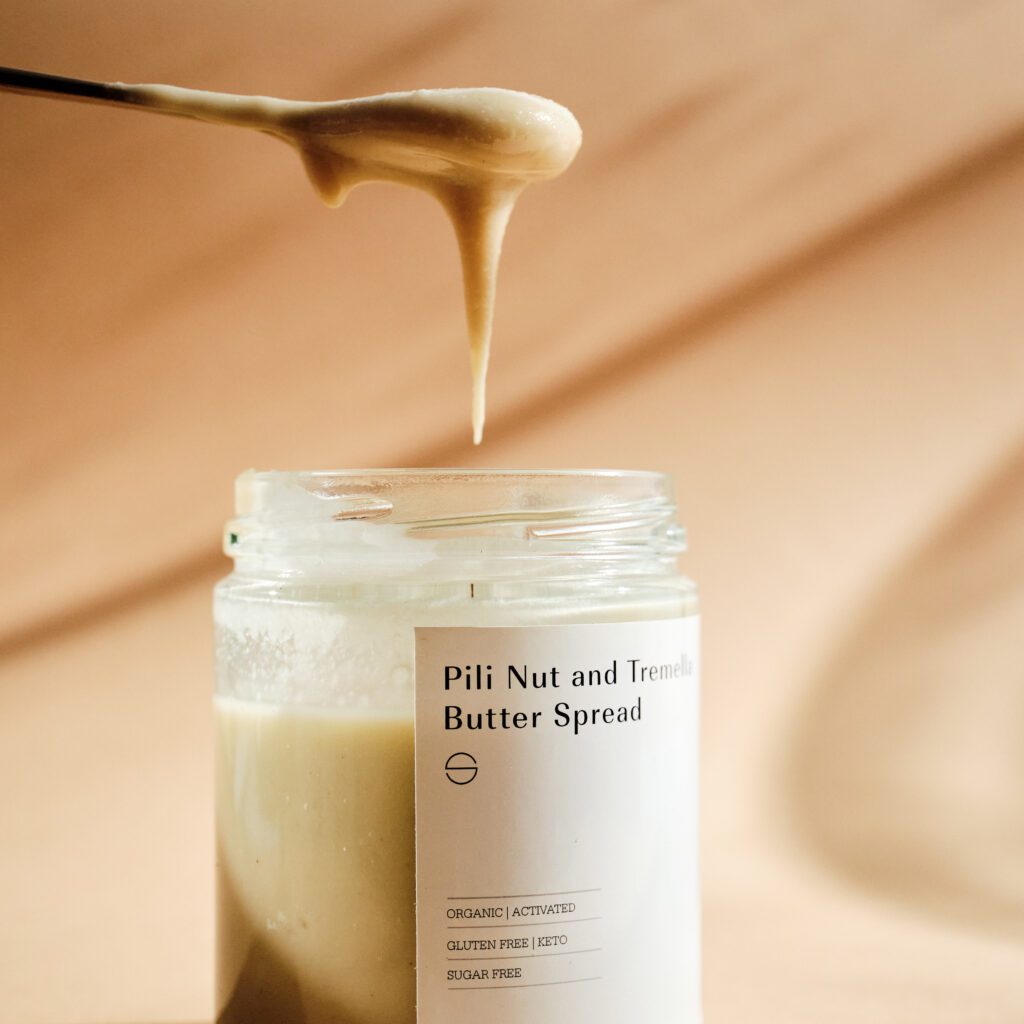


Why Eastern Medicine Treats Skin as a Reflection of Internal Health
We often think of skin issues as separate from the
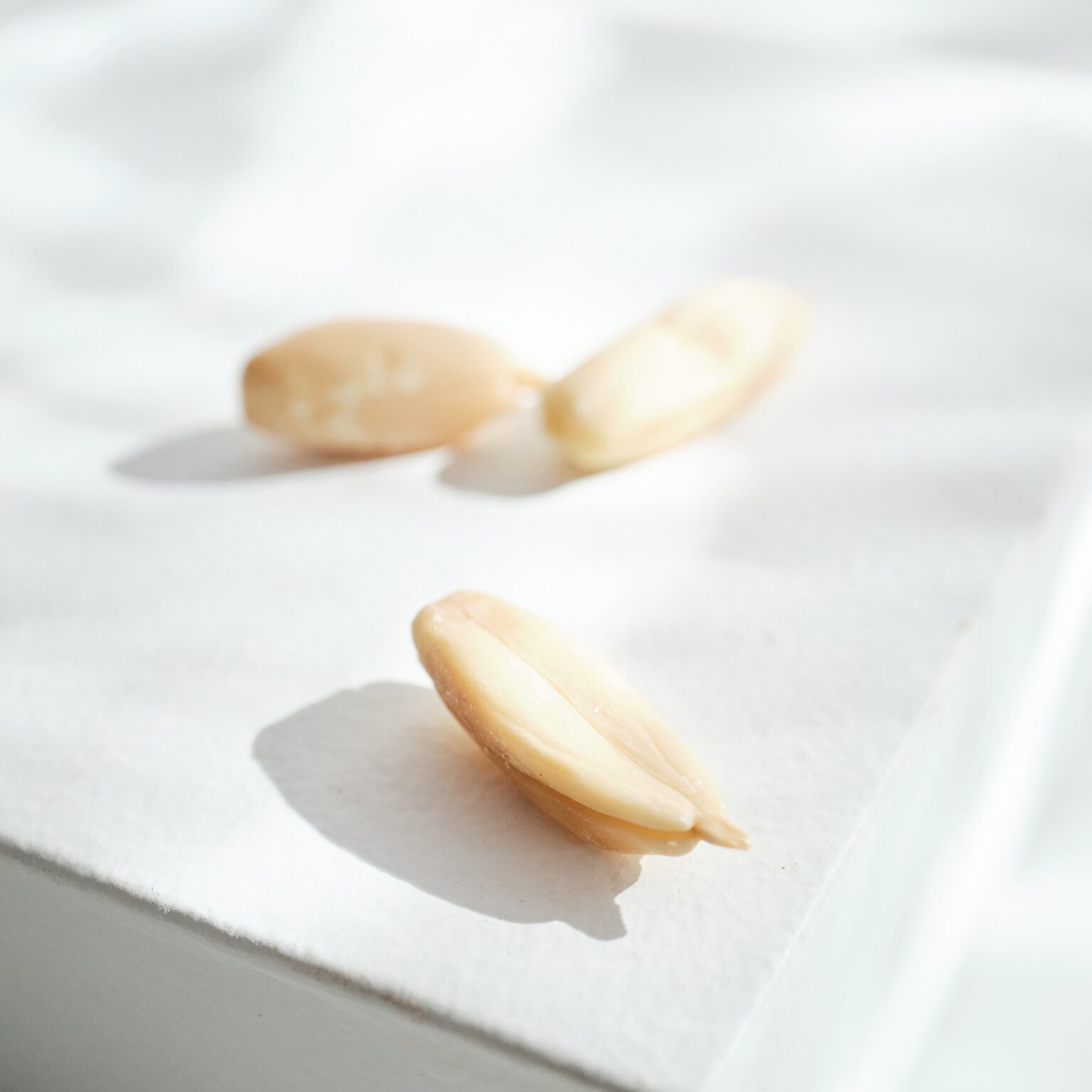
In the lush, volcanic landscapes of the Bicol region of the Philippines, there exists a tree that locals call “majestic.” The Pili tree (Canarium ovatum) is a “stress-loving” species, thriving in harsh winds and volcanic soil and requiring little more than rainwater to flourish. For centuries, the Pili has been a pillar of Filipino culture, but only recently has it been recognised by the global scientific community as the most nutrient-dense, keto-friendly nut.
The Pili nut industry remains one of the few truly “untapped” markets because of its inherent difficulty in scaling. The process is a testament to human skill and patience:
At our core, we believe in the philosophy of food as medicine. That is why we don’t just source high-quality Pili nuts; we activate them.
Raw nuts naturally contain phytic acid, an “anti-nutrient” that binds to essential minerals like calcium, magnesium, and iron, preventing your gut from absorbing them. By soaking our Pili nuts in purified water, we initiate a germination process that neutralises phytic acid and releases enzyme inhibitors. We follow this with a carefully managed, low-temperature drying phase, which preserves the vital nutrients and natural flavours, resulting in a nut that is not only buttery and delicious but also far more bioavailable and easier to digest.
Pili nuts contain a lipid profile that is fundamentally different from other nuts. While most nuts are high in polyunsaturated fats (which can be prone to oxidative rancidity), Pili nuts are dominated by oleic acid, the same heart-healthy monounsaturated omega-9 fatty acid found in olive oil.
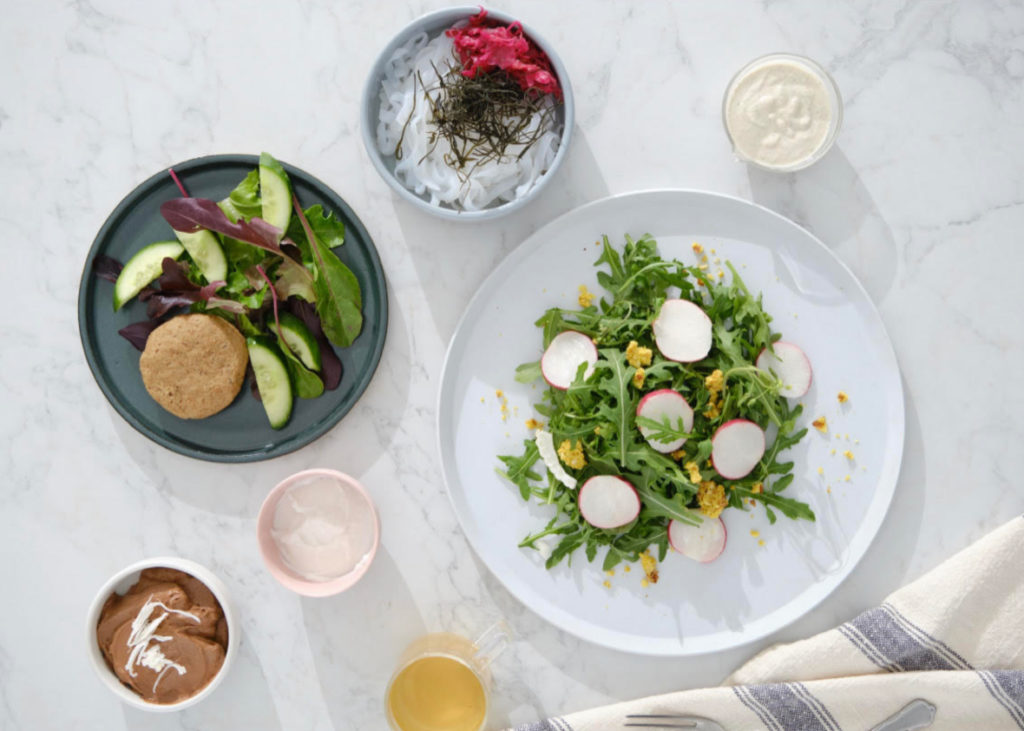
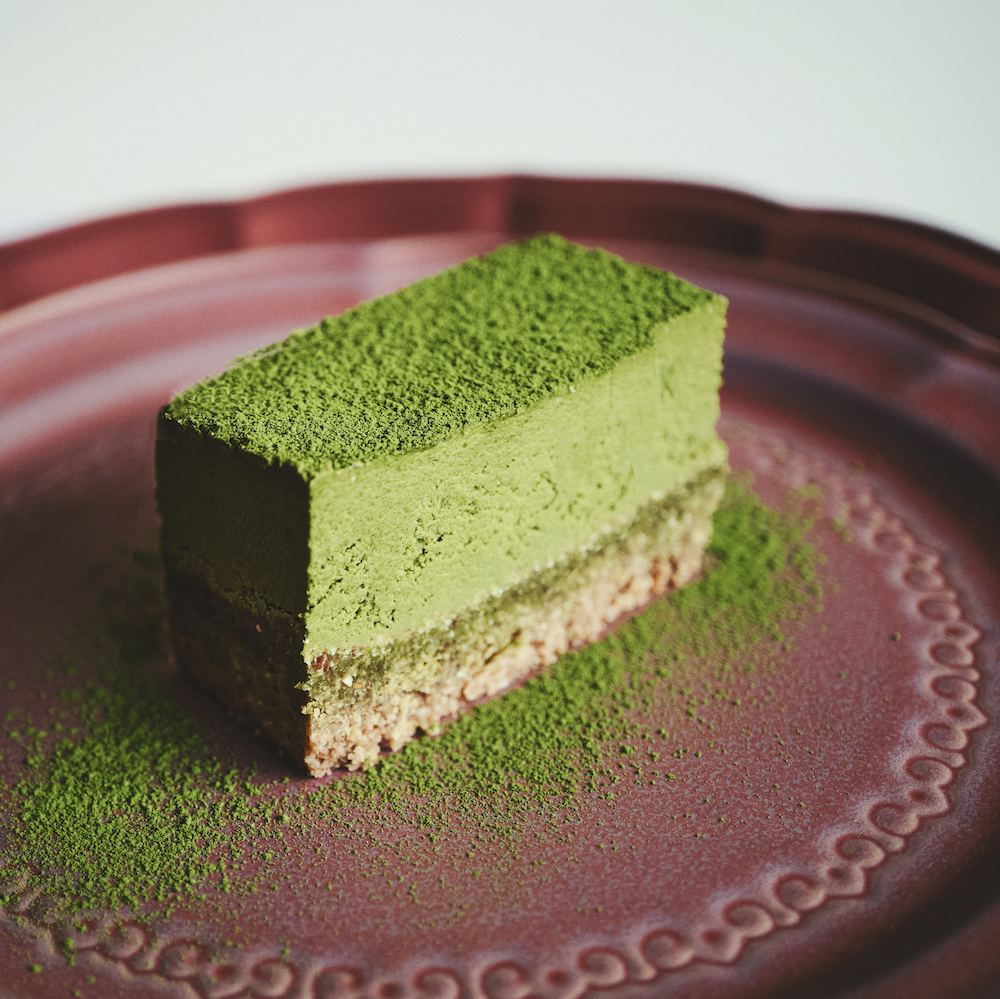
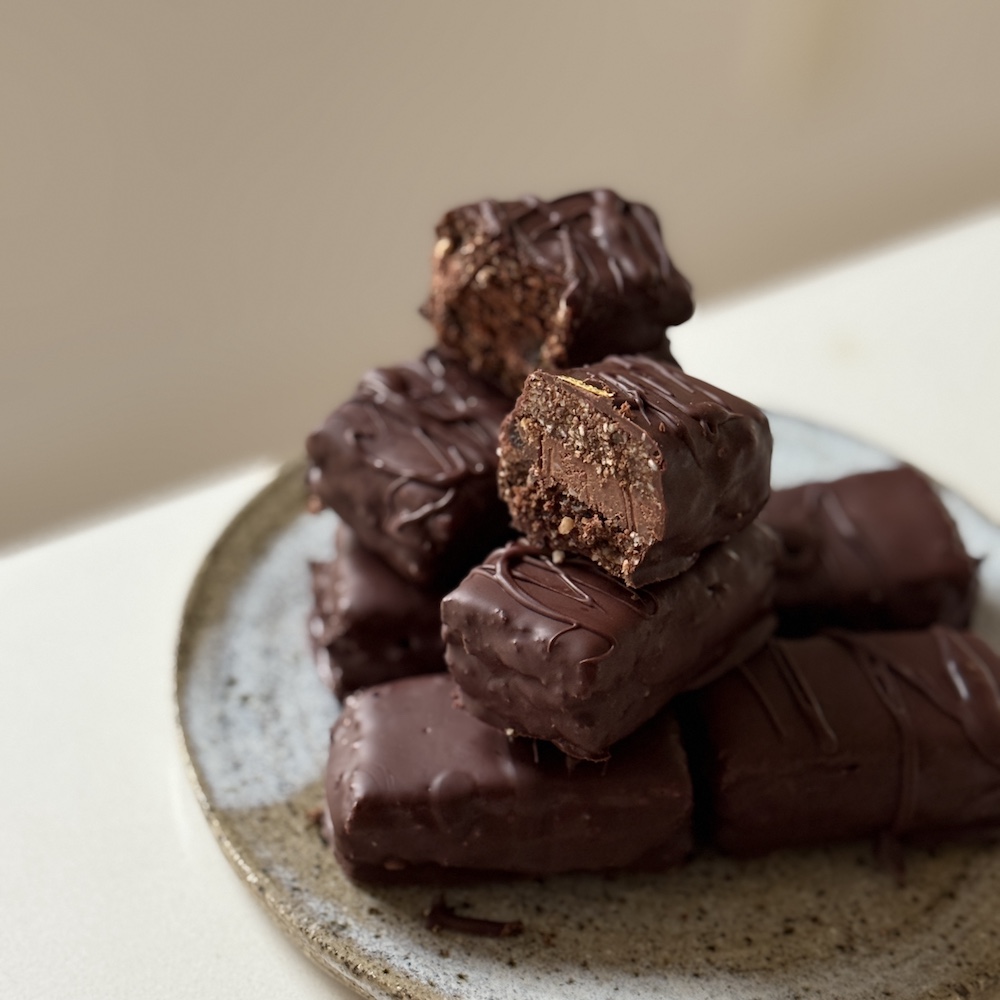
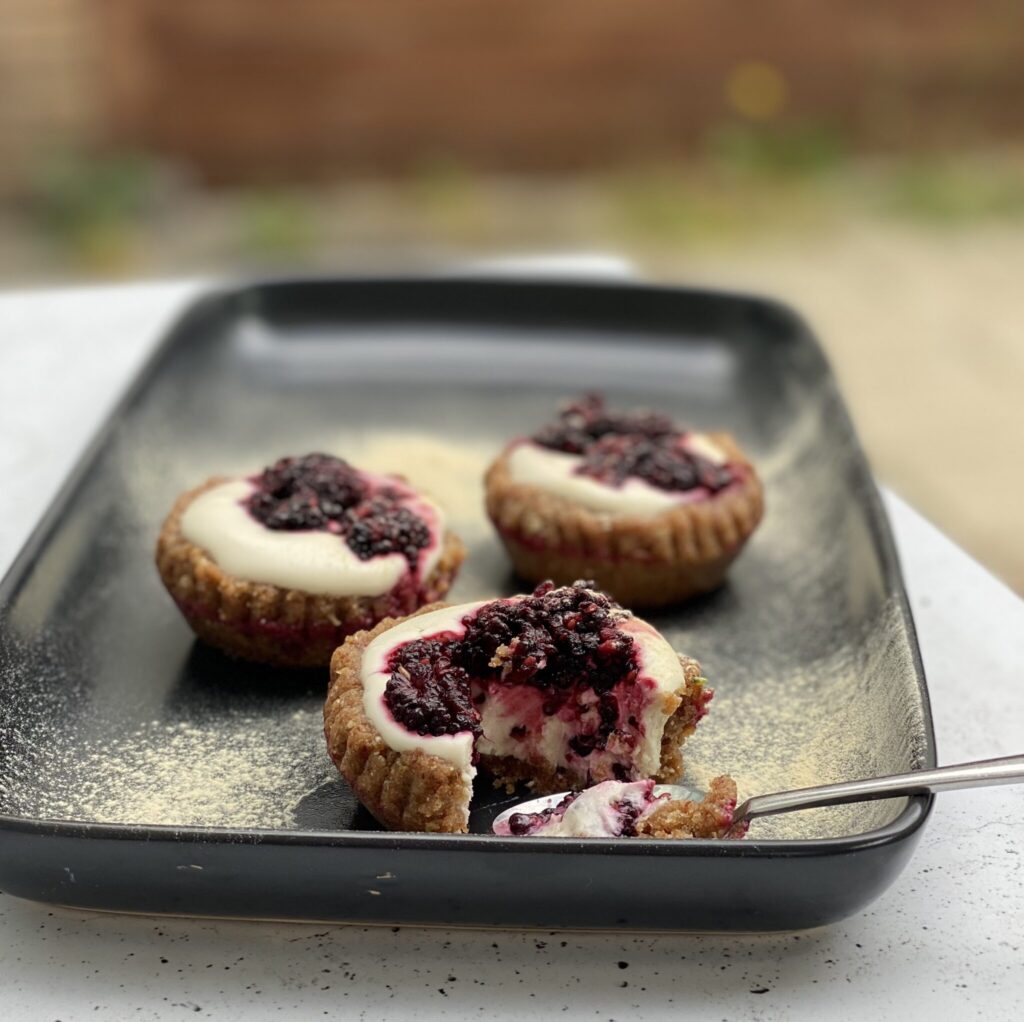
We have made many keto-friendly desserts using pili nuts.
We often think of skin issues as separate from the

One of my favourite dishes growing up in Japan was

If you’ve ever felt “burnt out”, dry skin, restless nights,