
Astragalus: More Than an Immune Booster – A Key to Longevity Through Telomere Health
You might know Astragalus as a cornerstone of Traditional Chinese

Global life expectancy is projected to rise from roughly 74 years in 2022 to 78 by 2050, but healthspan, the years we spend in good health, is lagging behind. In Australia, chronic diseases and social inequities create stark contrasts in life expectancy, with Indigenous communities experiencing some of the deepest disparities. Longevity, we’re realising, is not just biological. It’s social, cultural, and environmental.
And while the pursuit of “living forever” often focuses on physical health, a quiet revolution is unfolding: mental wellness is emerging as the core determinant of a life well-lived. The global economic burden of mental health challenges is about $5 trillion annually and projected to double by 2030, not just in healthcare costs, but in lost creativity, connection, and human potential.
A resilient, nourished brain is the engine of curiosity, joy, and purpose, and emerging science now shows that our brain’s health is profoundly influenced by the world we shape around it.
We are not passive recipients of ageing. We are ongoing designers of our internal environment.

The concept of the exposome, the sum of every exposure you encounter from conception onward, offers a radical reframe of mental wellness. It challenges the long-held belief that our psychological and cognitive outcomes are primarily dictated by genetics. While genes set the blueprint, the exposome shapes the architecture.
Your brain isn’t shaped only by inherited DNA; it is continuously sculpted by your lived experience. Everything you inhale, ingest, feel, see, and engage with becomes part of the biological conversation happening inside you. Light exposure influences your circadian rhythm. The foods you eat feed not only your cells but your microbes, which in turn communicate with your brain. Stress hormones alter the way synapses form. Social interactions activate neural pathways that influence emotional regulation. Even the quality of the air you breathe has been linked to cognitive performance and mood stability.
This means your environment, internal and external, functions as an ongoing epigenetic signal, turning certain genes “up” or “down” over time. It also means that brain health is not fixed; it is responsive. It can be nurtured, strengthened, and even redesigned through intentional choices.
The exposome reframes mental wellness from something we manage within ourselves to something we actively co-create with our surroundings. It empowers us to see that the world we inhabit is constantly shaping the brain we live with. It’s sculpted daily by:
1. Air Quality & Atmosphere
2. Light Exposure
3. Sounds & Sensory Inputs
4. Social Environment
5. Physical Environment
6. Diet & Nutrition
7. Movement Patterns
8. Stress & Emotional Climate
9. Digital & Information Exposure
10. Microbial Environment
11. Chemical Exposures
12. Internal Environment
Some exposures are inherited or systemic, but many are within our influence.
Herbs, similarly, are not quick fixes but environmental signals.
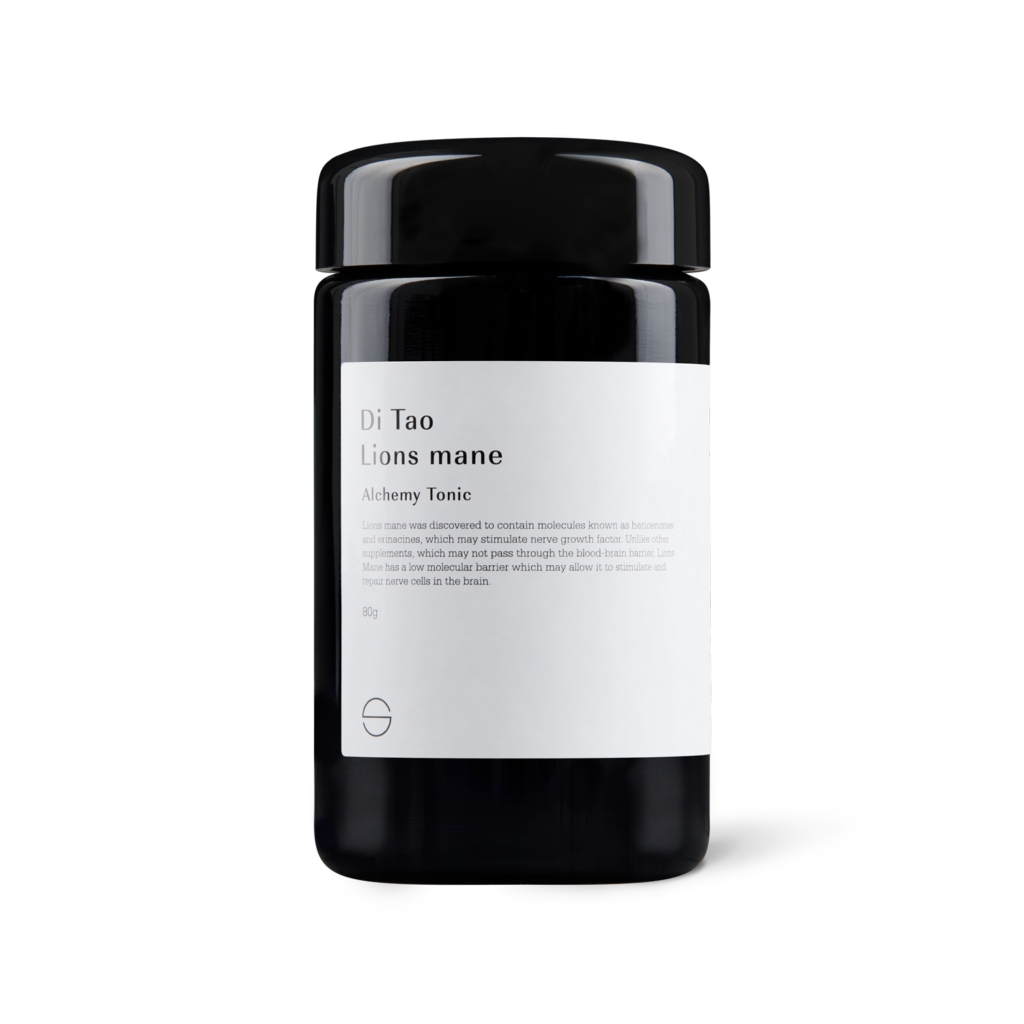
Traditionally used in East Asian medicine, Lion’s Mane is being studied for its relationship with nerve growth factor (NGF), a molecule involved in supporting healthy brain function. It’s often explored for memory, focus, and overall cognitive vitality.
One of the oldest living tree species, ginkgo has been used for centuries to support circulation. Modern studies have looked at its potential roles in supporting healthy blood flow to the brain, cognitive performance, and age-related brain changes.
A classic herb in Ayurvedic practice, Bacopa has been researched for its potential to support learning, memory, and stress resilience. It’s often used to nourish the nervous system and promote clarity and calm.
Called “food for the brain” in many Southeast Asian traditions, Gotu Kola is used for clarity, mental endurance, and emotional balance. Research explores its antioxidant activity and potential roles in supporting neural pathways and stress recovery.
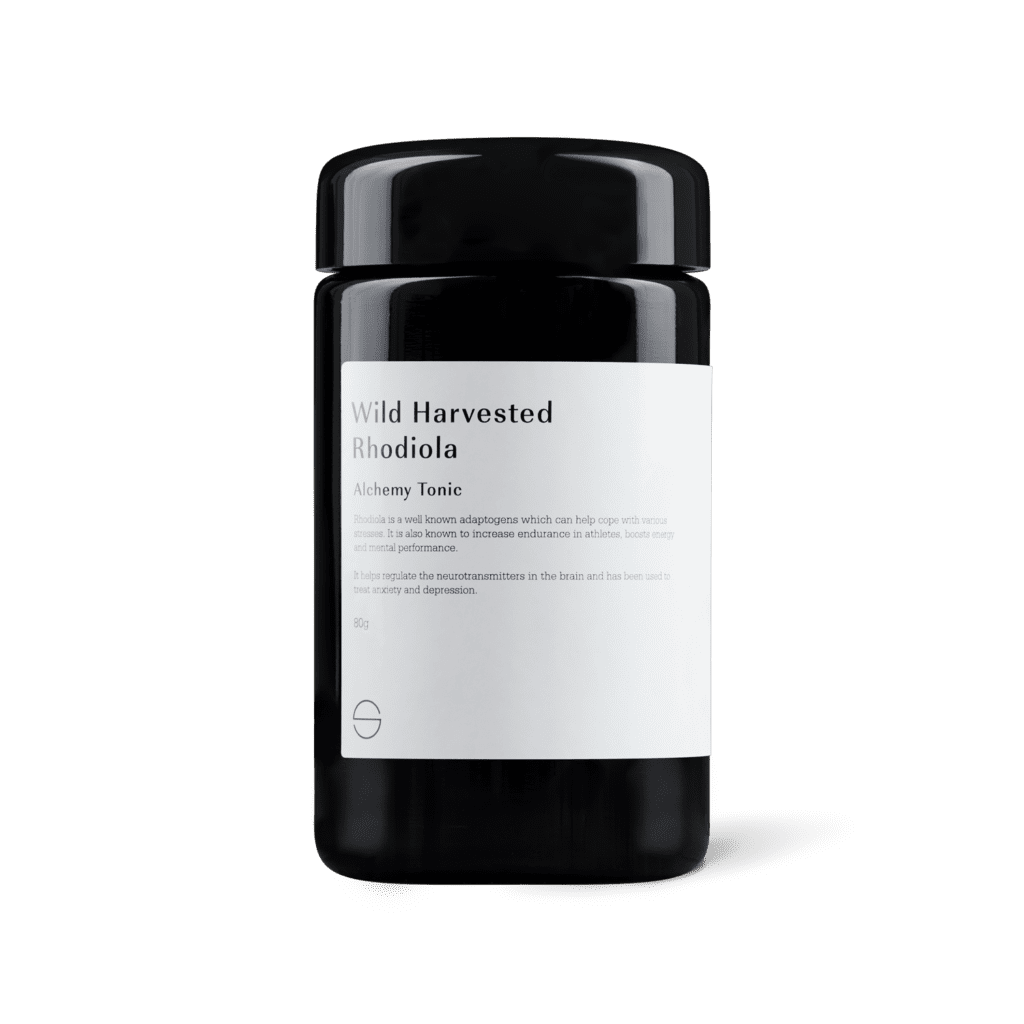
An adaptogenic herb used in Nordic, Siberian, and Tibetan traditions to support stamina and resilience. Rhodiola is often explored for its role in supporting mood, reducing fatigue, and helping the brain adapt to stress, important foundations for long-term cognitive well-being.
Together, movement and herbs reflect a single idea: the brain is not static. It is responsive. It can be trained, nourished, and remodelled throughout life.

Let’s talk fibermaxxing because the internet finally caught up to what traditional cultures have practised for centuries.
Your microbiome is one of the most important determinants of mental wellness.
Fibre feeds the bacteria that produce short-chain fatty acids (SCFAs), which:
Emerging research even suggests that certain microbial species correlate with behavioural traits, cognitive performance, and stress resilience.
A practical, modern herbalist approach:
Introduce fibre slowly. Hydrate generously. Let your microbiome adapt instead of overwhelming it.
Your microbes are an inheritance, but they’re also a garden, one you get to tend.
Our ancestors never dealt with microplastics, industrial pollutants, or synthetic chemicals that now infiltrate our food, air, and even our brain tissue. Early studies have detected microplastics in human brains, an alarming discovery that has intensified research into their potential neurological effects.
We don’t yet have all the answers, but we do know this:
Reducing exposure where possible is wise.
Easy, realistic actions:
Certain probiotic strains, such as Lactobacillus paracasei DT66 and L. plantarum DT88, show early promise in binding microplastics in experimental settings. While this is emerging science, it signals an exciting frontier: microbes may one day become major detox partners.
Traditional herbs long used for cleansing, cilantro, dandelion, spirullina, charcoal, chlorella, milk thistle, are not “detox hacks” but system-supportive allies that help the liver, lymph, and gut function more efficiently. Include more bitter and sour foods.
Modern detoxing isn’t about extremes; it’s about creating an environment where healing is easier than inflammation.

Loneliness is now recognised as a health risk on par with smoking. Prolonged social isolation increases inflammation, impairs cognitive function, and raises the risk of dementia.
Humans are biologically wired for connection.
Across cultures, communal rituals have always served as regenerative practices:
These practices weren’t luxuries. They were technologies for emotional resilience.
Modern self-care is evolving to re-integrate this wisdom. Activities like breathwork, journaling, communal meals, and herbal rituals are now understood to influence gene expression related to stress resilience and even longevity.
And interestingly, shared meals improve microbial diversity more than eating alone. Your microbiome, your second brain, is literally shaped by community.
Humans thrive through co-regulation: our nervous systems soothe each other.
Self-care, it turns out, was never meant to be solitary.
Longevity is not the absence of illness. It’s the presence of resilience.
It’s mental flexibility, emotional steadiness, and the ability to adapt to life’s inevitable changes.
When we view brain health as an ecosystem, longevity becomes less about “avoiding disease” and more about cultivating the conditions for flourishing:
A long life is not measured only in years, but in clarity, creativity, and emotional richness.
What we nourish today becomes the architecture of a brain that can flourish tomorrow.
You might know Astragalus as a cornerstone of Traditional Chinese
For centuries, the majestic Himalayas have yielded a treasure known
A Sicilian-style granita for hot days and hydrated cells When
