

Shilajit: Unveiling the Himalayan “Destroyer of Weakness” – Science Backed Benefits
For centuries, the majestic Himalayas have yielded a treasure known

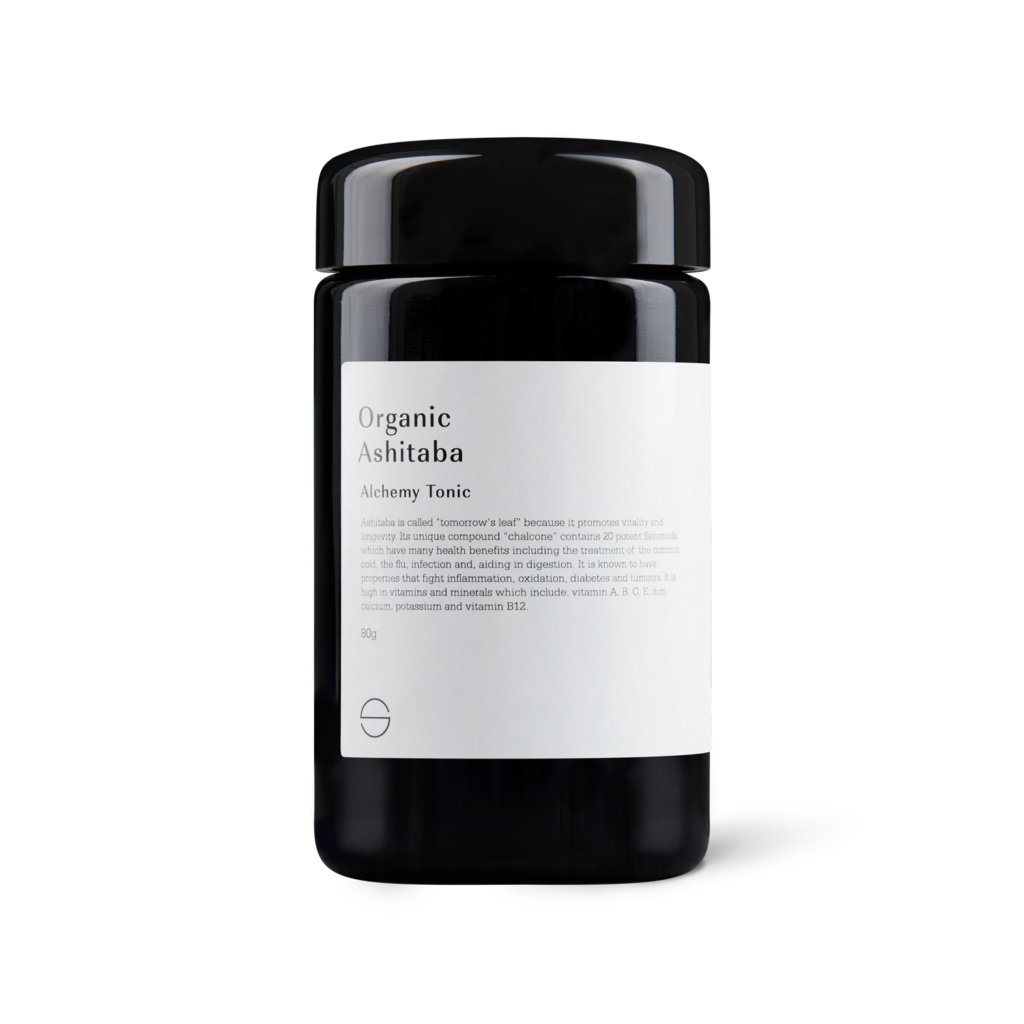
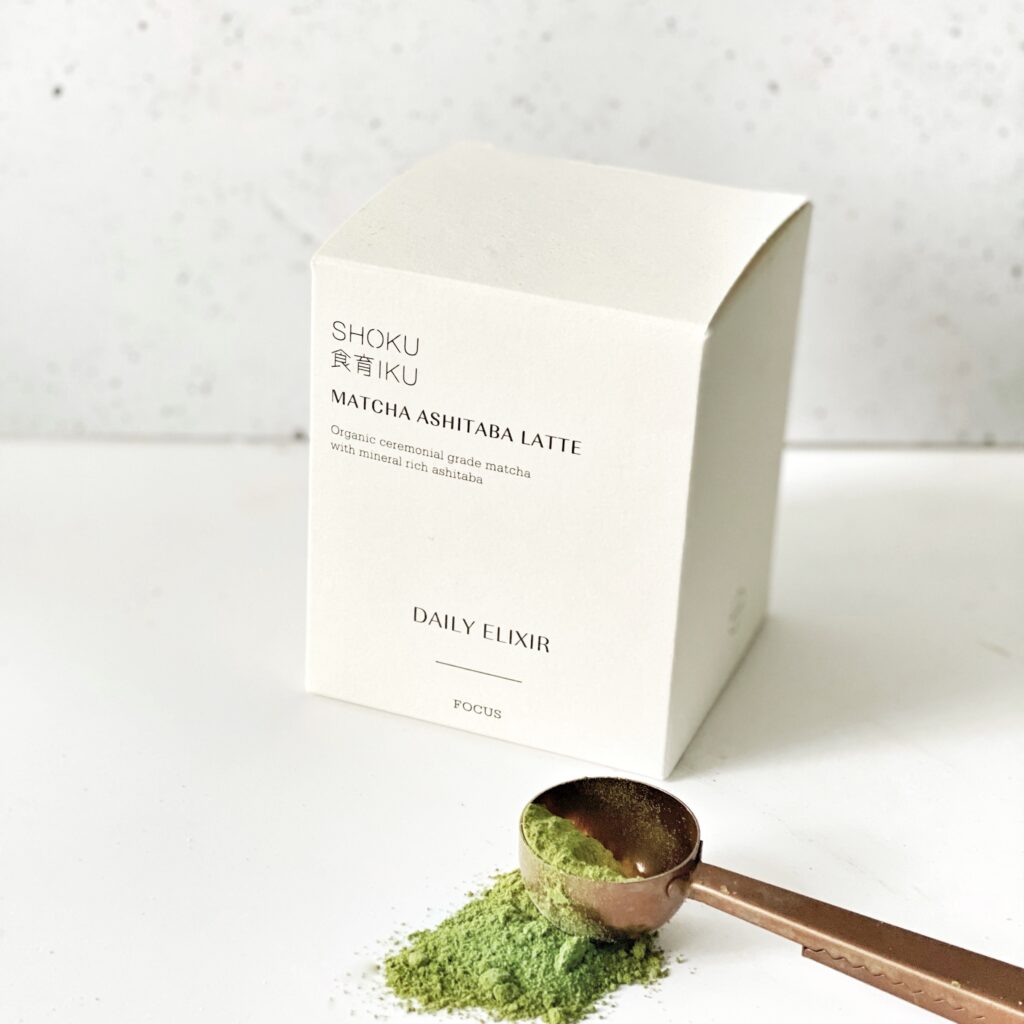
Ashitaba (Angelica keiskei) is often described as a “longevity herb.” In Japan, it has traditionally been part of their life. Neither purely medicine nor merely food, Ashitaba sits in the liminal space between nourishment and therapeutic support.
In recent years, scientific interest has caught up with this traditional intuition. Researchers have begun to focus on what makes Ashitaba chemically distinct from other green plants: a rare class of compounds called chalcones.
Ashitaba is a perennial plant native to Japan, traditionally cultivated along the coast and on volcanic islands such as Hachijō-jima. Its name translates to “tomorrow’s leaf,” referring to its ability to regenerate new leaves quickly after harvesting.
Historically, Ashitaba has been consumed as:
Rather than being reserved for illness, it was used as a daily green – part of daily life, seasonal eating, and resilience in environments where nutrition needed to be dense and reliable.
In Japanese folk use, Ashitaba does not sit neatly in the category of “medicinal herb” in the Western sense. It was traditionally valued for its bitterness, greenness, and vitality, qualities associated with digestive stimulation and balance.
This mirrors a broader East Asian view of plants:
Ashitaba was often eaten preventatively, not as a cure, a distinction that modern wellness culture sometimes forgets.
While many leafy greens contain flavonoids and polyphenols, Ashitaba stands out because it is rich in prenylated chalcones, found in high concentrations in its yellow sap, particularly:
Chalcones are a subclass of flavonoids and act as precursor molecules to many other flavonoid structures. What makes Ashitaba unusual is not just the presence of chalcones, but their concentration and diversity, which is rare in edible plants.
These compounds are largely responsible for Ashitaba’s:
Ashitaba is a truly diverse and nutrient-dense plant. Every 100 g of powdered Ashitaba packs a remarkable blend of protein, fibre, vitamins, and minerals, including vitamins A, C, E, and K, plus B‑complex vitamins and folate. On the mineral side, it’s rich in calcium, potassium, magnesium, and iron, all in a highly bioactive whole‑plant form.
What makes Ashitaba stand out is its combination of high fibre and broad micronutrient content, along with unique bioactive compounds called chalcones, which are rarely found in edible greens. This means you’re not just getting vitamins and minerals, you’re getting a plant that supports multiple aspects of cellular and metabolic health in a single, green package.
A randomised, double‑blind, placebo‑controlled trial recently published (2024) explored the effects of Ashitaba chalcones (4‑hydroxyderricin and xanthoangelol) in overweight adults. Participants took 16 mg of chalcones per day for 12 weeks.
Findings:
This study suggests that Ashitaba chalcones may help reduce abdominal fat in overweight individuals. (PubMed)
Chalcone compounds from Ashitaba have been studied in cell models for effects on metabolic pathways:
These mechanisms help explain why Ashitaba is often studied for metabolic health support, but more human trials are needed.
A small pilot study had people with metabolic syndrome consume Ashitaba green juice (~6.2 g/day granulated powder containing ~12.3 mg chalcones) for 8 weeks. After the intervention:
This suggests Ashitaba could be safe and potentially supportive for metabolic health in at‑risk adults — though the sample size was small and further research is needed. (CiNii Research)
Research in animal and cell studies has explored how Ashitaba chalcones behave in glucose metabolism models:
These results are preclinical (non‑human) but provide insight into potential mechanisms.
Some studies have looked at Ashitaba compounds for muscle biology and cellular pathways:
This area is early but suggests interesting biological activity worth further investigation.
Laboratory research shows that Ashitaba chalcones can interact with viral proteins:
This type of research is early, in vitro (in cell cultures), and does not imply a viable therapeutic but indicates rich bioactive potential in these compounds.
Beyond specific endpoints, scientific literature consistently highlights that Ashitaba’s unique chalcones (especially 4‑hydroxyderricin and xanthoangelol) have multi‑target effects, including:
These effects have been observed across cell and animal models, supporting why the plant is ripe for further clinical exploration. (PubMed)
What’s striking is how closely modern findings align with traditional patterns of use:
Traditional cultures didn’t need to identify chalcones by name to observe Ashitaba’s effects. Modern science simply gives us a new language to describe what was already known experientially.
Ashitaba tends to resurface in wellness cycles because it sits at the intersection of:
Modern research into chalcones helps explain why Ashitaba is chemically distinctive. It is the food-as-medicine approach that has supported the longevity of the Japanese population for centuries.
For centuries, the majestic Himalayas have yielded a treasure known
A Sicilian-style granita for hot days and hydrated cells When

In our modern wellness landscape, “biohacking” often evokes images of
