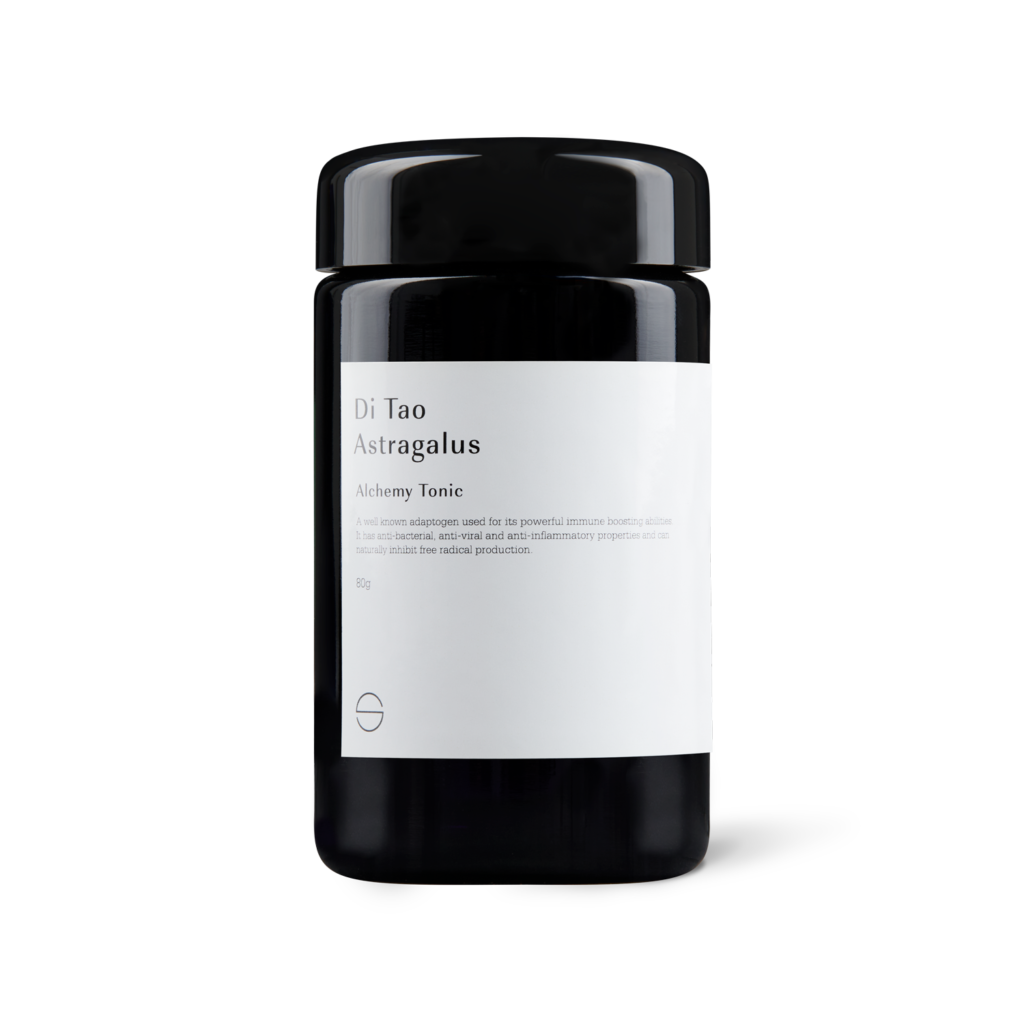

You might know Astragalus as a cornerstone of Traditional Chinese Medicine, revered for centuries for its ability to boost immunity and vital energy (Qi). But recent scientific research is revealing another profound benefit of this ancient herb: its remarkable potential to support longevity, primarily through its effects on telomeres.
What Exactly Are Telomeres?
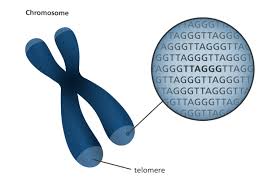
Imagine your DNA as the instruction manual for your body, organised into chapters called chromosomes. At the very ends of each chromosome are protective caps known as telomeres. These structures are crucial; they prevent the ends of your chromosomes from fraying or sticking to each other, much like the plastic tips on your shoelaces prevent them from unravelling.
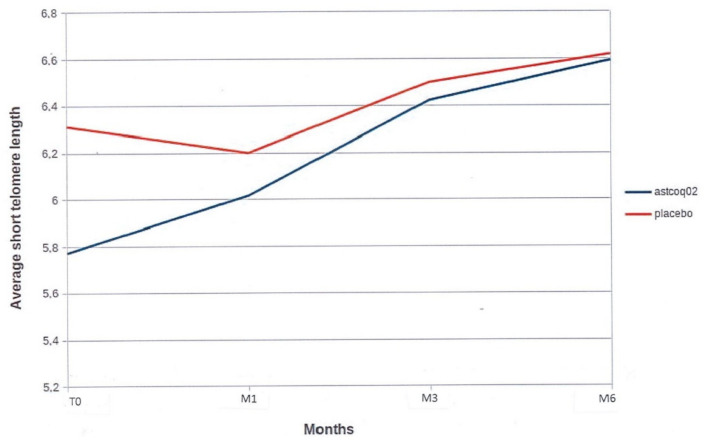
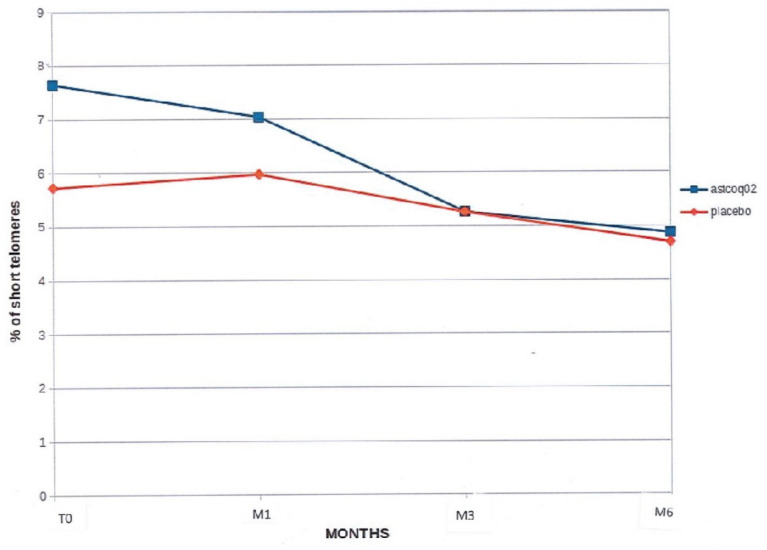
Every time your cells divide to repair or grow, a small portion of these telomere caps is lost. Over time, these telomeres shorten. When they become critically short, the cell can no longer divide properly, leading to senescence (a state of ageing and non-division) or programmed cell death. This process of telomere shortening is a significant biological marker of ageing and is linked to the development of age-related diseases.
The Astragalus Connection: Supporting Telomere Health
Astragalus (specifically Astragalus membranaceus) has garnered significant attention for its potential to counteract this shortening process. How does it do this? The key lies in its rich array of bioactive compounds, primarily its polysaccharides.
Research highlights the following mechanisms:
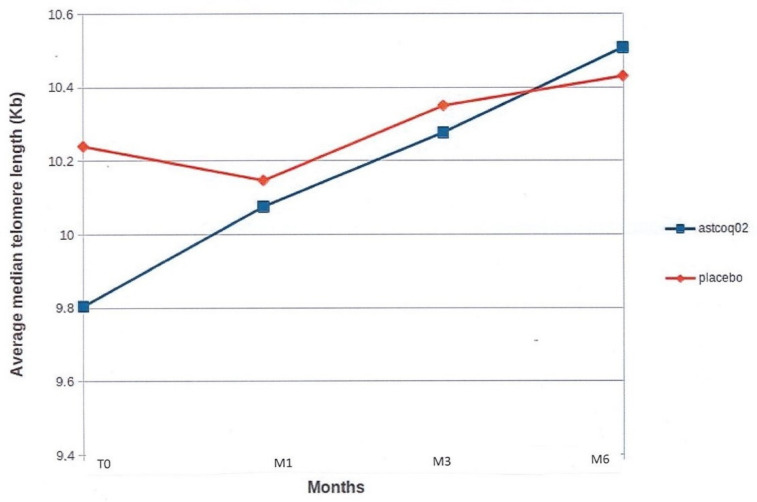
- Activation of Telomerase: The most exciting area of research points to Astragalus’s ability to modulate the enzyme telomerase. Telomerase is a ribonucleoprotein enzyme that adds DNA sequences to the ends of telomeres, essentially rebuilding or lengthening them.
- Studies have shown that certain compounds in Astragalus, particularly its polysaccharides (AP), can activate telomerase activity. This activation is crucial because telomerase levels naturally decline with age. By supporting telomerase, Astragalus may help to maintain telomere length, thereby slowing down cellular ageing.
- For instance, research published in journals like the Journal of Ethnopharmacology has demonstrated that Astragalus polysaccharides can significantly increase telomerase activity in human cells in vitro (in laboratory settings). These studies suggest that these compounds can promote telomere elongation.
- Antioxidant and Anti-inflammatory Properties: Chronic inflammation and oxidative stress are major contributors to telomere shortening. Astragalus is packed with potent antioxidants and anti-inflammatory compounds, including flavonoids and saponins.
- By neutralising harmful free radicals (oxidative stress) and dampening inflammatory pathways, Astragalus helps protect DNA from damage, which indirectly shields telomeres from premature shortening. This dual action creates a more favourable environment for cellular health.
- Cellular Protection: Beyond telomerase, Astragalus may offer direct protection to cellular structures. Its broad spectrum of nutrients and bioactives can support overall cellular integrity, making cells more resilient to stress and damage that could lead to telomere attrition.


Beyond Astragalus: Other Herbs and Lifestyle Factors for Healthy Telomeres
While Astragalus is a standout, it’s not the only player in the quest for healthy telomeres. A holistic approach combining diet, lifestyle, and potentially other herbs is key.
Other Herbs with Potential Telomere Benefits:
- Ginseng (Panax ginseng): Similar to Astragalus, Ginseng is known for its adaptogenic properties and rich polysaccharide content. Research suggests that ginsenosides, the active compounds in Ginseng, may also activate telomerase and protect against telomere shortening, contributing to its reputation as a longevity herb.
- Rhodiola Rosea: Another powerful adaptogen, Rhodiola has shown antioxidant and anti-inflammatory effects that could indirectly support telomere health by reducing cellular stress.
- Resveratrol (found in grapes, berries, and Polygonum cuspidatum): This well-known antioxidant has been studied for its potential role in activating sirtuins, a family of proteins linked to cellular health and ageing. Some research suggests sirtuins can influence telomere maintenance.
- Green Tea (Camellia sinensis)/ Matcha: Rich in polyphenols, particularly EGCG, green tea has demonstrated antioxidant and anti-inflammatory benefits. Studies have explored its potential to protect telomere length by combating oxidative stress.
Lifestyle Factors for Healthy Telomeres:
It’s crucial to remember that herbs work best as part of a healthy lifestyle. For optimal telomere health, consider these factors:
- Diet: A diet rich in fruits, vegetables, whole grains, and healthy fats provides the antioxidants and nutrients needed to combat oxidative stress. Limit processed foods, refined sugars, and excessive red meat.
- Exercise: Regular, moderate exercise has been consistently linked to longer telomeres. Aim for a mix of aerobic and strength training.
- Stress Management: Chronic stress significantly accelerates telomere shortening. Practices like meditation, yoga, deep breathing, and spending time in nature can be invaluable.
- Sleep: Adequate, quality sleep is vital for cellular repair and regeneration.
- Avoid Smoking and Excessive Alcohol: These habits are known to increase oxidative stress and inflammation, negatively impacting telomere length.
Disclaimer: This information is for educational purposes only and should not be considered medical advice. Always consult with a qualified healthcare professional before starting any new herbal supplement, especially if you have pre-existing health conditions or are taking medications.