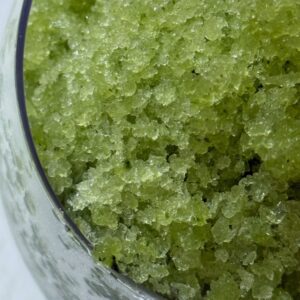
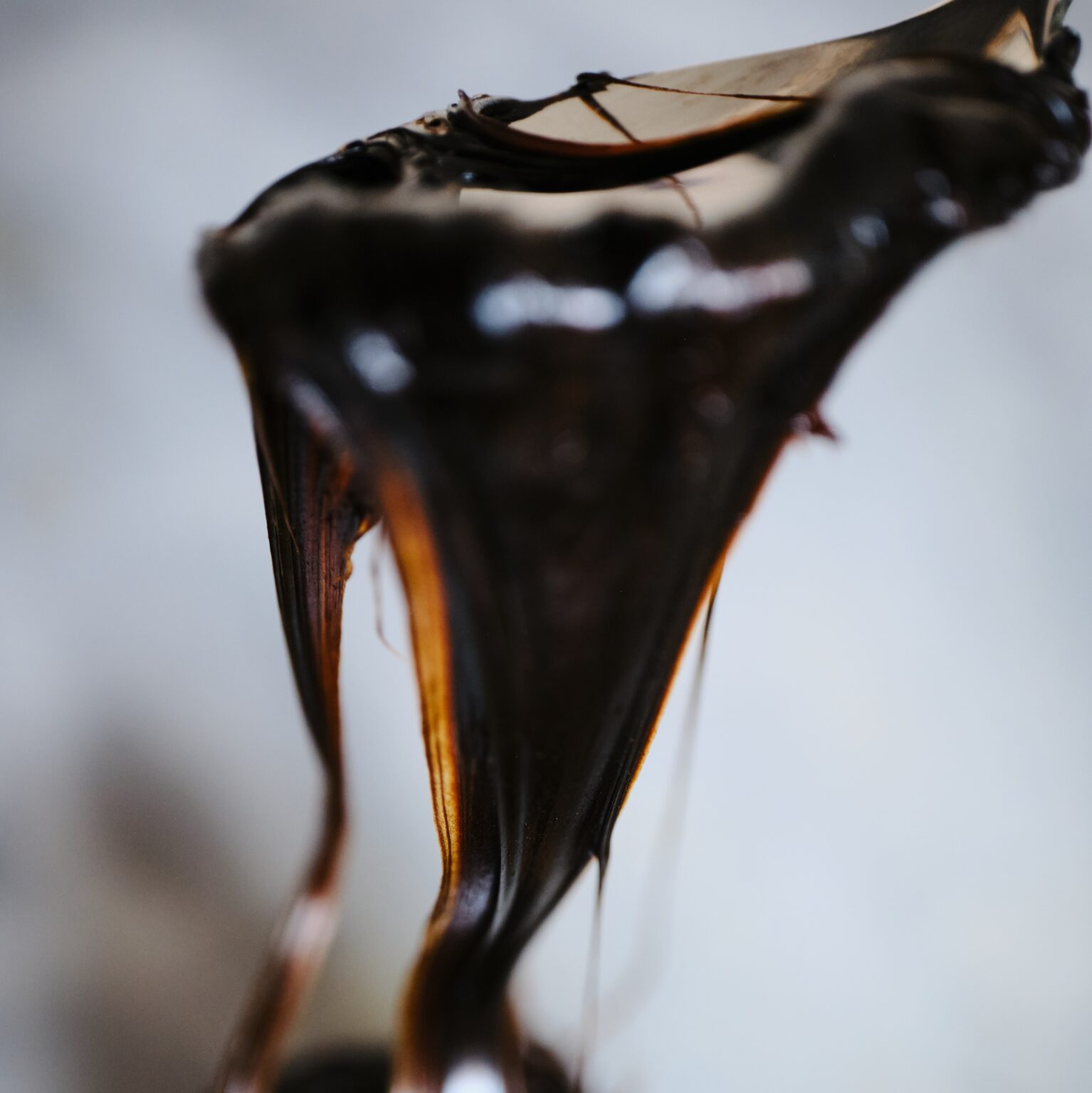
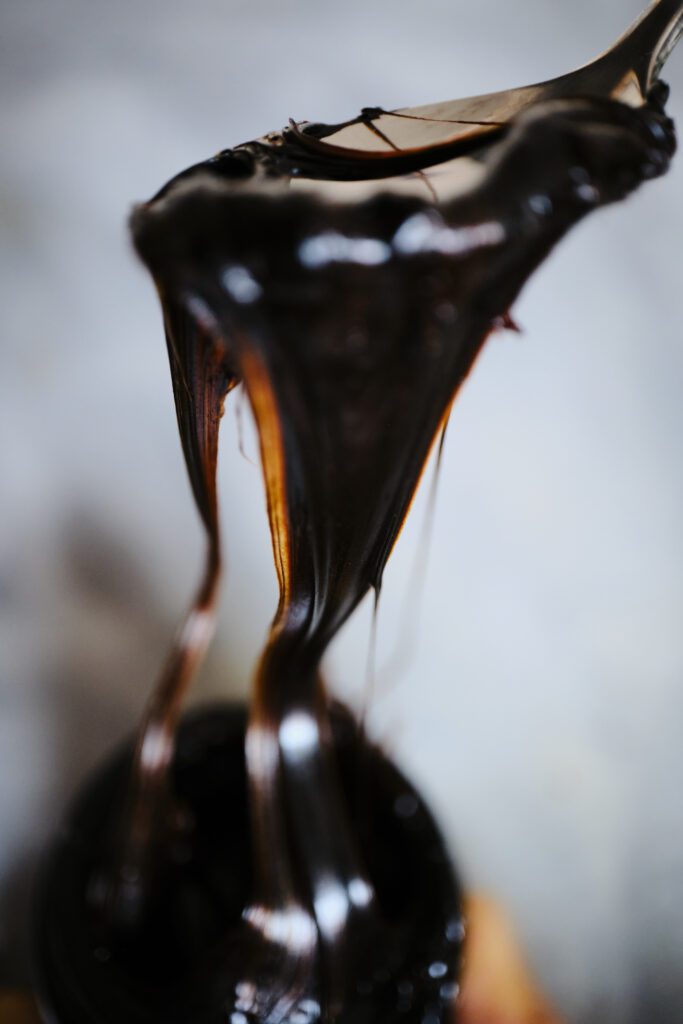
For centuries, the majestic Himalayas have yielded a treasure known as Shilajit, a remarkable exudate from ancient rock formations. Revered in Ayurvedic tradition as the “Destroyer of Weakness,” this nutrient-dense substance is now gaining recognition in the scientific community for its wide-ranging health benefits. Extracted through a meticulous water purification process and rigorously tested for purity, Shilajit offers a potent complex of over 80 trace minerals, alongside the powerful compounds Fulvic Acid and Humic Acid. These components work synergistically to potentially enhance nutrient absorption and unlock a cascade of rejuvenating effects on the body.
This blog delves into scientific research supporting Shilajit’s traditional uses and explores its impact on hormonal balance, pain management, energy levels, cognitive function, and more.
The Science Behind the Benefits:
The purported benefits of Shilajit are rooted in its unique biochemical composition and its interaction with various physiological processes. Let’s explore the research behind its most prominent claims:
1. Hormonal Regulation and Male Fertility
Shilajit’s influence on hormonal balance has been a key area of research, particularly concerning reproductive health.
- Male Fertility and Testosterone: Several studies have investigated Shilajit’s potential to improve male fertility and testosterone levels. A pilot study involving 60 infertile men demonstrated significant improvements in sperm count and motility after 90 days of Shilajit supplementation. Another study on healthy men aged 45-55 reported significant increases in total and free testosterone levels after a similar 90-day supplementation period. These findings suggest that Shilajit may support male reproductive health.
- Hormonal Regulation in Women: While research is more nascent, preliminary studies, including those involving rats, have indicated a potential association with ovulation, suggesting Shilajit could be a subject of interest for addressing infertility in women.
2. Alleviating Pain Response
Ayurveda has long associated Shilajit with natural pain relief, and recent research is beginning to elucidate the mechanisms behind this.
- Orofacial Pain and Sedative Effects: Shilajit’s interaction with GABA (gamma-aminobutyric acid) levels in the brain, a neurotransmitter known for its calming and inhibitory effects, is believed to contribute to its pain-relieving and sedative effects. A 2015 study on mice suggested Shilajit could lessen chronic pain in a dose-dependent manner, acting as a “sedating agent.”
- Interaction with Opioids: Intriguingly, research in mice indicates Shilajit may enhance the effectiveness of morphine, potentially reducing the tolerance buildup and thus the required dosage for pain management.
3. Blood Sugar Management
For individuals managing blood sugar levels, Shilajit shows potential as a complementary aid.
- Reducing Blood Glucose and Lipids: Studies in diabetic rats have shown that Shilajit supplementation can help lower blood glucose and improve lipid profiles. This suggests a potential role in managing hyperglycemia.
4. Anti-inflammatory and Antiviral Properties
Shilajit demonstrates a dual action against inflammation and certain viruses.
- Gastric Ulcers and Inflammation: Research suggests Shilajit can be effective in healing and preventing gastric ulcers. A 2021 study found that it helped alleviate gastric lesions in rats, indicating anti-inflammatory and protective effects on the gastric lining.
- Antiviral Activity: Laboratory studies have identified “broad, yet specific” antiviral properties in Shilajit. One Italian study reported significant antiviral activity against several herpes-related viruses and HRSV (human respiratory syncytial virus). While these in vitro findings are encouraging, further research with live subjects is needed to confirm these effects in humans.
5. Energy and Revitalisation
The ancient use of Shilajit to boost energy and vitality is increasingly supported by scientific research.
- Mitochondrial Function and ATP Production: Shilajit is believed to enhance mitochondrial function, the “powerhouses” of our cells. By improving mitochondrial efficiency, Shilajit can increase the production of Adenosine Triphosphate (ATP), the body’s primary energy currency. This enhanced ATP production leads to increased overall energy and stamina.
- Synergy with CoQ10: Shilajit’s effect on mitochondrial oxygenation is further amplified when combined with CoQ10, a naturally occurring antioxidant.
- Chronic Fatigue Syndrome: A 2012 study published in the Journal of Ethnopharmacology found that Shilajit supplementation helped reduce symptoms of chronic fatigue syndrome, underscoring its potential as an energising agent.
- Antioxidant Properties: Shilajit’s potent antioxidant properties help combat free radicals implicated in cellular damage and ageing. This action contributes to its revitalising effects by repairing internal damage.
6. Brain Health and Neuroprotection
Emerging research highlights Shilajit’s significant potential to support cognitive function and protect brain cells.
- Neuroprotective Activity: Initial studies suggest Shilajit exhibits “distinct and marked neuroprotective activity.” In an animal study investigating its effects following traumatic brain injury, researchers observed positive effects on key indicators, including brain oedema, blood-brain barrier permeability, and intracranial pressure.
- Alzheimer’s Disease and Cognitive Function: The presence of fulvic acid in Shilajit, along with specific treatment protocols involving B vitamins, has shown promising results in pilot studies for mild cases of Alzheimer’s disease. Studies also indicate potential pro-cognitive activity and a traditional use for longevity and slowing the ageing process.
- Anti-Epileptic and Antipsychotic Effects: Shilajit’s ability to normalise GABA levels may contribute to anti-epileptic properties and potentially antipsychotic effects.
7. Longevity Properties
Shilajit’s antioxidant and anti-inflammatory actions are key to its perceived longevity benefits.
- Reducing Free Radicals and Cellular Damage: Fulvic acid, a primary component of Shilajit, acts as a potent antioxidant and anti-inflammatory agent. By neutralising free radicals and reducing cellular damage, it may contribute to a slower ageing process and increased vitality.
8. Heart Health
Emerging research suggests Shilajit can offer protective benefits for the cardiovascular system.
- Cardiac Protection: A study in Cardiovascular Toxicology in rats indicated that Shilajit administered prior to cardiac injury resulted in less heart damage than in control groups.
9. Obesity Management
Shilajit may enhance the body’s response to exercise, potentially aiding in weight management.
- Improved Exercise Response: A study published in the Journal of Medicinal Food found that overweight individuals who supplemented with Shilajit responded better to exercise. Researchers noted that Shilajit appeared to activate genes in skeletal muscles, facilitating quicker adaptation to workouts, leading to less fatigue and increased strength over time.
10. Altitude Sickness Alleviation
Traditionally, Shilajit has been used to combat the effects of high altitudes.
- Symptom Reduction: The complex mineral profile of Shilajit, coupled with fulvic and humic acids, is thought to help mitigate various symptoms of altitude sickness. This may be due to its potential to improve cognitive processes, boost the immune system, and reduce inflammation.