
Ashitaba: Japan’s Longevity Green and the Science Behind Its Unique Chalcones
Ashitaba (Angelica keiskei) is often described as a “longevity herb.”

A Sicilian-style granita for hot days and hydrated cells
When the heat hits, the body is asking for water, minerals, and relief. This cucumber granita is our answer: icy, aromatic, lightly sweet, and deeply hydrating.
Inspired by Sicilian granita, but reimagined through a functional, low-sugar lens, this recipe leans on two of our favourite ingredients: monk fruit for clean sweetness, and tremella for its unique relationship with hydration.
Granita is traditionally made with water, sugar, and fruit, frozen and scraped into crystalline flakes.
Our version keeps that spirit, but:
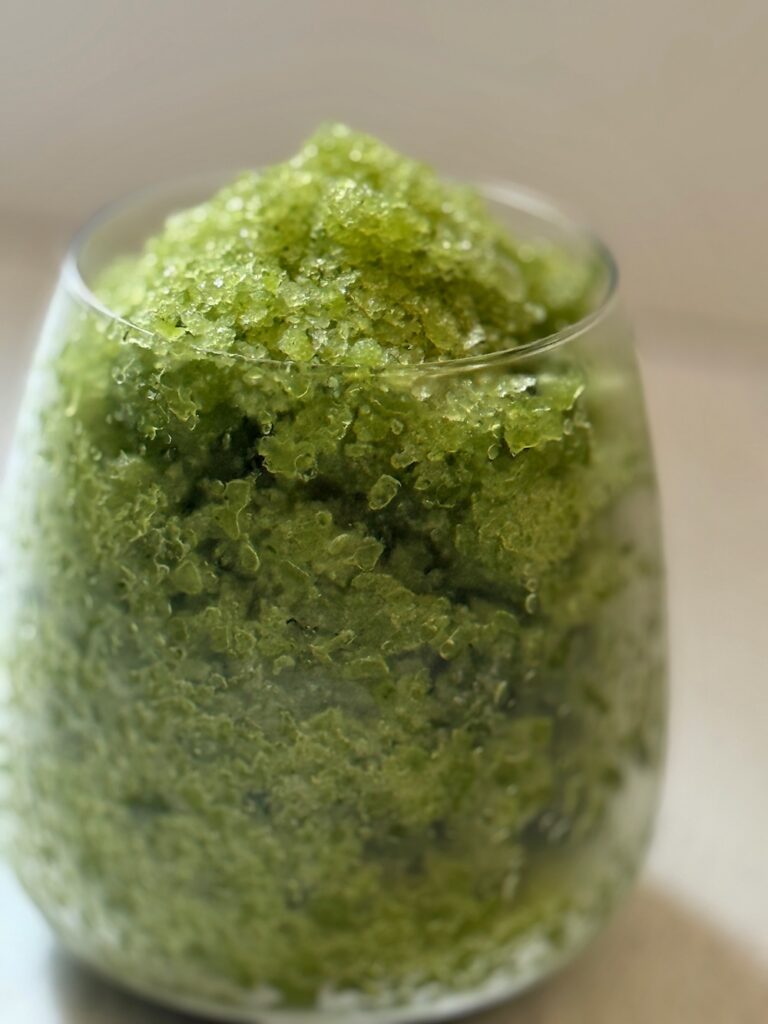
Cucumber is over 95% water. It is one of the most hydrating vegetables. it delivers hydration alongside potassium and cooling phytonutrients. In traditional food systems, cucumber is prized for clearing heat and thirst.
Lime brightens digestion, while mint (or peppermint) creates an immediate cooling sensation through menthol.
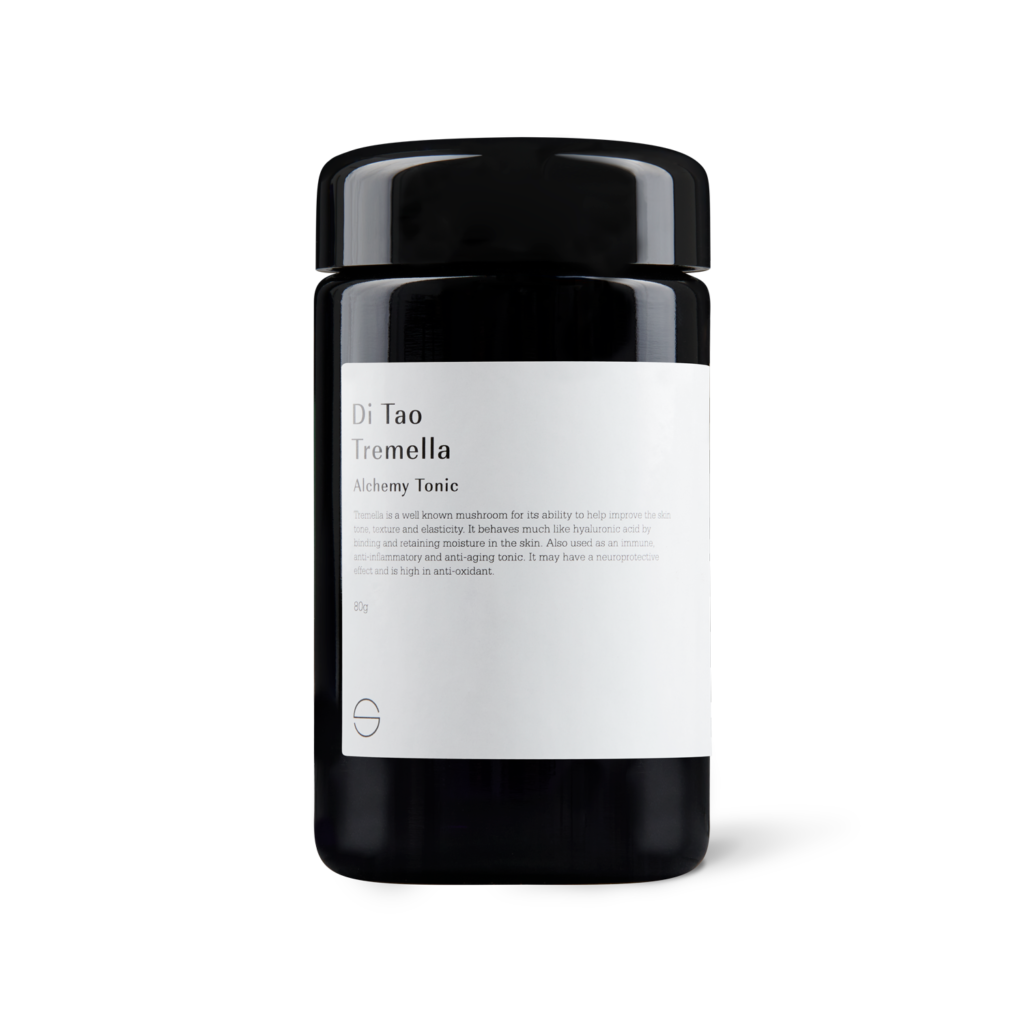
Tremella (also known as snow fungus or silver ear) is famous for its water-binding polysaccharides.
Unlike electrolytes, tremella:
This is why tremella shows up both in traditional Chinese tonics and modern skincare.
In granita, it gives a subtle silkiness and turns simple ice into something more sustaining.
This recipe relies on monk fruit (Luo Han Guo), a fruit traditionally used in China both as a sweetener and as a cooling herb.
Monk fruit sweetness comes from mogrosides, not sugar. That means:
We offer two monk fruit options, both 100% pure monk fruit.
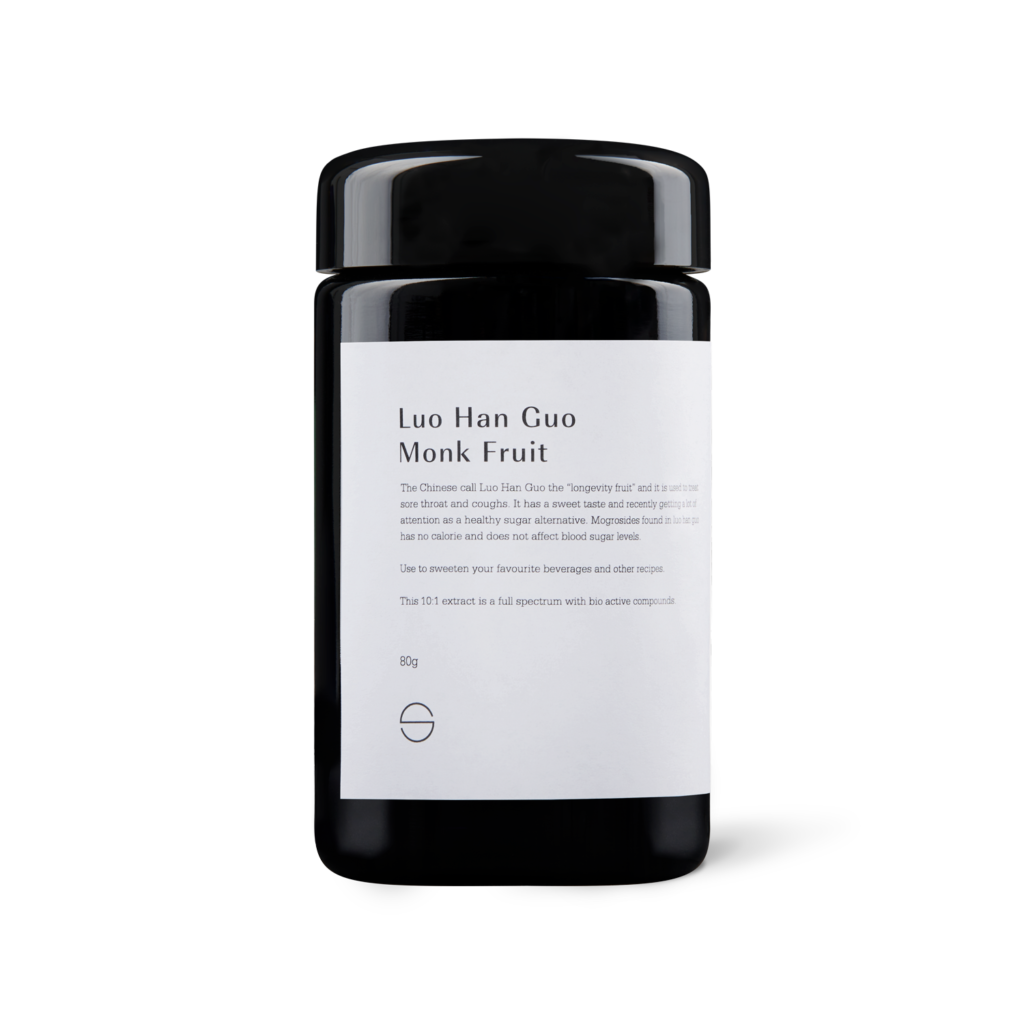
1. 10:1 Monk Fruit Extract (used in this recipe)
The taste may differ slightly depending on the batch
Whole-fruit style extract
Mild, rounded sweetness
Have more medicinal properties
Use: ½ tsp per batch (adjust to taste)
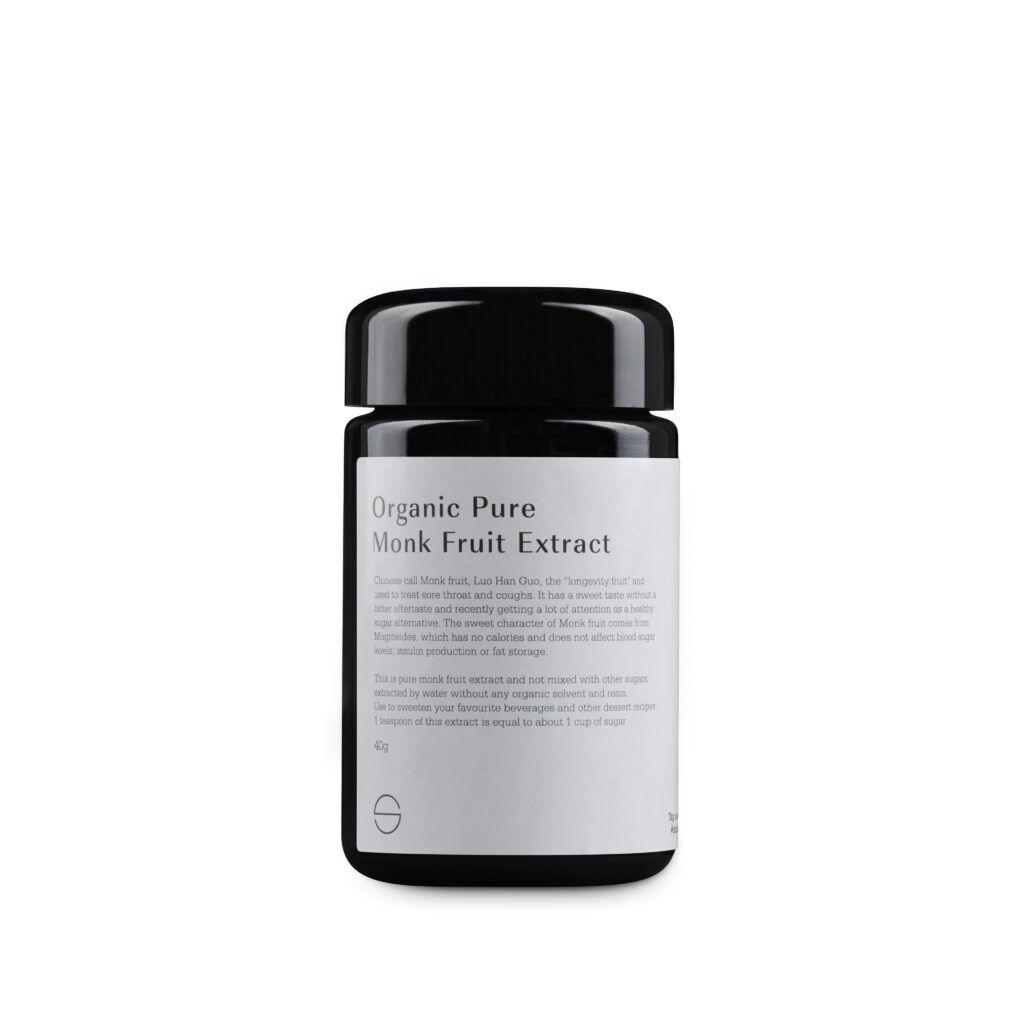
If you choose this version, use ¼ tsp total for this recipe.
Start small; a little goes a long way.
Fresh mint gives a gentle, green flavour.
Peppermint essential oil is much more intense and cooling to the palate without a bitterness.
If using oil:
You can also spoon it into chilled glasses and top with extra lime zest or crushed mint.
Enjoy!
Ashitaba (Angelica keiskei) is often described as a “longevity herb.”

In our modern wellness landscape, “biohacking” often evokes images of
If you’re looking for a natural way to support blood
